Home & Living
Give a White Kitchen One Useful Warm-Toned Detail
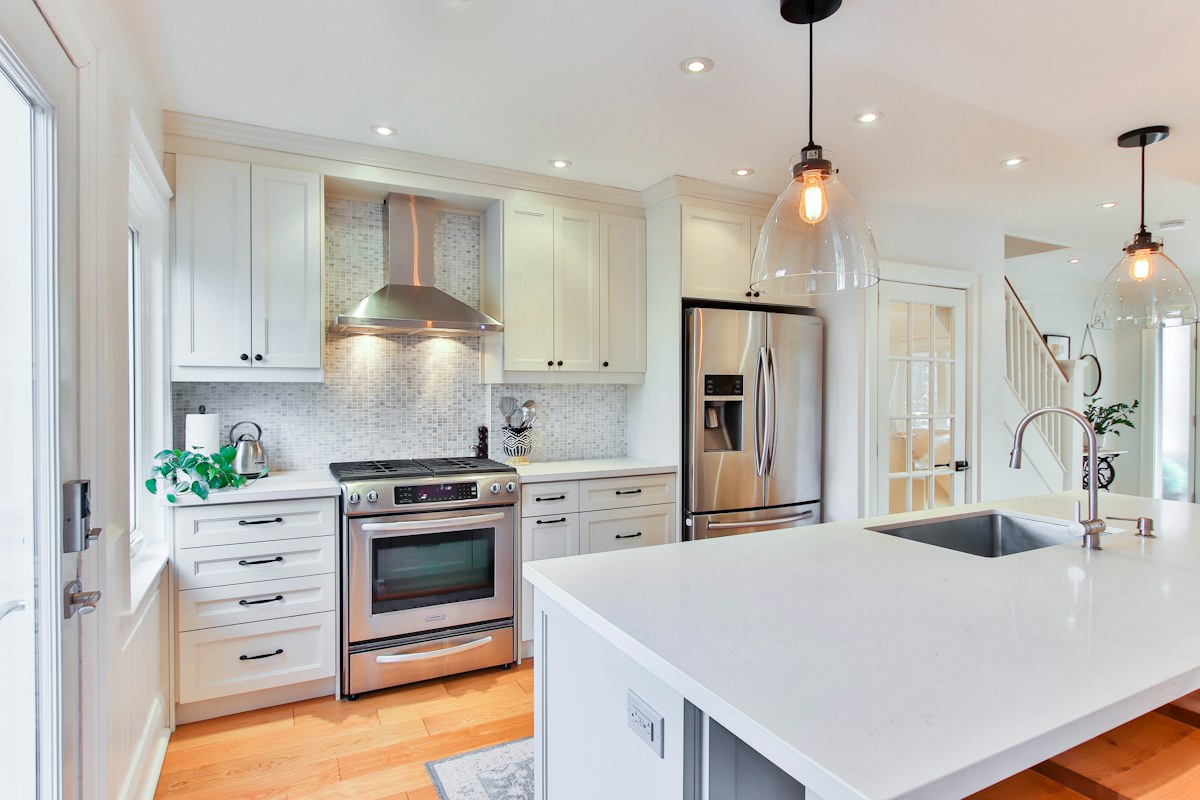
Give a white kitchen one useful warm-toned detail from retained objects, keeping the real task and local material relationship clearer than an expanding decorative theme.
This story may contain affiliate links. We may earn a commission on qualifying purchases. Read our disclosure.
IN THIS STORY
Choose the real task before the accent
A white kitchen does not need another object simply because its surfaces look quiet in a photograph. Begin with the actual working room and identify whether a small detail has a genuine practical or personal visual role. A retained suitable item may already supply the relationship you want.
Keep the task specific. An undefined wish to add warmth can generate several purchases without explaining why any one of them belongs beside the existing cabinets.
Name the retained warm tone
Look at the real worktop, furniture or other prominent surface that will stay. Describe the actual tone beside the white fronts rather than inferring a material from appearance. A wood-looking finish does not establish construction, care or suitability for another use.
Compare a suitable retained detail with that group in ordinary light. An exact match is optional, while a deliberate distinction can feel clearer than several almost-matching surfaces. The preference belongs to the actual room and person.
Keep the complete kitchen visible
Include the suitable working objects genuinely needed for the household routine. A decorative arrangement judged on an empty counter may leave out the very products that form most of the ordinary view. The accent should belong within that occupied setting rather than require the task to move around a display.
If the group feels crowded, remove an optional detail and compare again. A clearer retained combination can answer the local question without a new container or matching set.
Check the proposed object’s actual role
Use accurate product information where an item is considered for a working task. A decorative vessel should not be assumed suitable for food or another purpose from an image alone. Keep its identity and relevant care requirements available.
Similarly, a finish preference does not establish a preparation, fixing or alteration method. Seek appropriate guidance where a practical question needs it rather than letting a pleasing color relationship authorize an unfamiliar change.
Stop at the useful small result
If one retained detail serves the role and preference, keep that modest arrangement without repeating the tone across every accessory. Another product should answer a genuine unmet requirement rather than strengthen a theme automatically. A quiet white surface can remain deliberate as part of the complete room.
What if the accent looks right only in a close image? Revisit the ordinary kitchen view. What if the product is unsuitable for the real task? Choose another appropriate option before judging its color. A considered warm-toned detail connects retained materials and useful objects while keeping decoration proportionate to everyday life.
Record the actual selected reference where a purchase proceeds. A broad label such as warm ceramic may describe several items whose requirements are not interchangeable with the product checked.
Related reading
Choose the Current Object Group for a Kitchen Island, A Pantry Shelf Map That Works With Original Packaging.
Girl In Home creates practical guides to style, home and travel. Our new buying guides explain selection criteria and tradeoffs; they do not claim hands-on testing. Our approach.


