Home & Living
Choose the Current Object Group for a Kitchen Island
Choose the Current Object Group for a Kitchen Island. Useful comparisons for ordinary clothes, rooms and time away.
This story may contain affiliate links. We may earn a commission on qualifying purchases. Read our disclosure.
IN THIS STORY
Choose what the island needs to support now
A kitchen island can hold an appliance, ingredients, paperwork and decorative objects while leaving little clear purpose to the surface. Begin with the current task and choose the appropriate object group it actually requires. The group for preparing dinner may differ from the group for a brief breakfast or a suitable household task between meals.
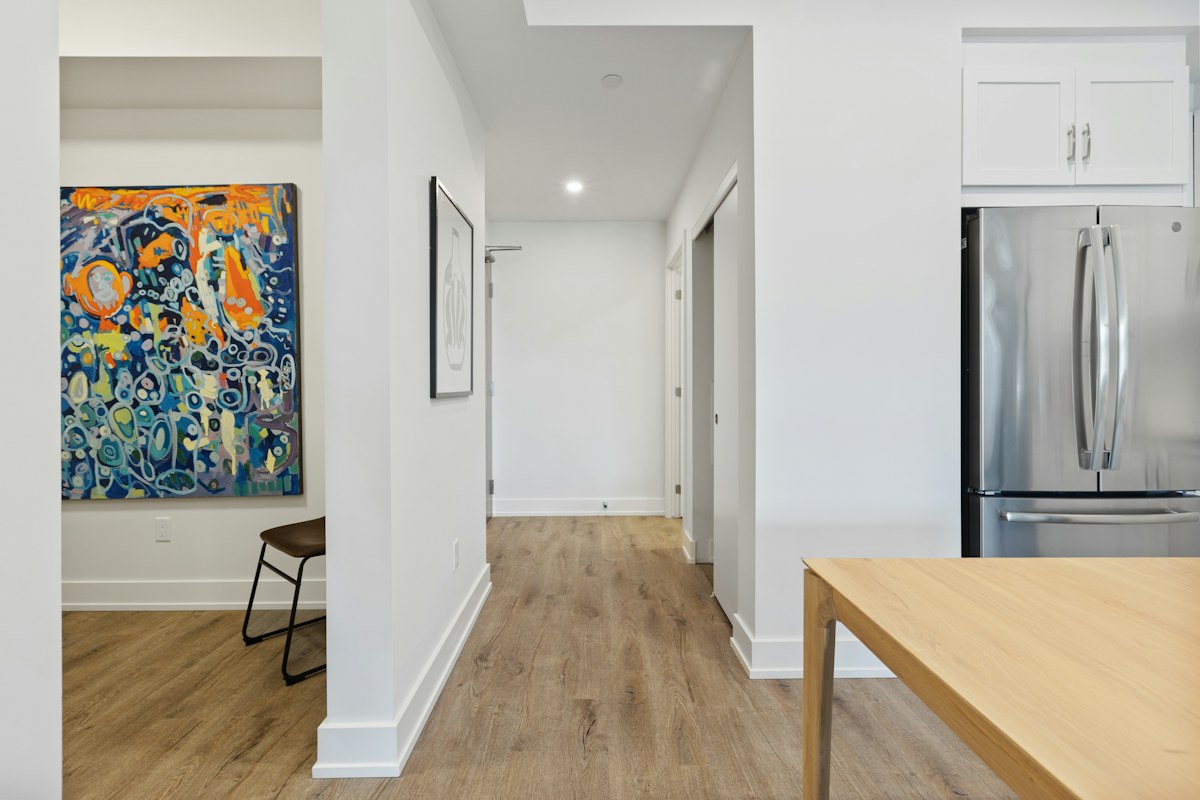
Follow the furniture, appliance and food-handling requirements for the actual use. This article does not establish that every island supports every task. A pale kitchen photograph illustrates a room without showing all the practical conditions that belong to another home.
Move unrelated objects to real destinations
Identify where inactive belongings belong instead of transferring them to another convenient pile. Paperwork, decorative pieces and equipment needing care have different next steps. A cleared island is more useful when those steps remain understandable rather than hidden in a basket.
Our kitchen product-note guide keeps equipment information tied to actual items. That clarity helps decide which objects belong to the current task and which should appropriately return to storage.
Keep a suitable working patch available
Choose the surface area the task needs and avoid filling it with the entire retained equipment collection. A bowl or utensil may be useful without every related accessory being displayed beside it. For example, choose the suitable equipment for the current recipe rather than bringing out every baking tool simply because the task involves a mixing bowl. Follow the actual recipe and product guidance for the equipment selection.
The small brunch guide keeps the meal proportionate. The island's active group can follow that modest scale rather than becoming a permanent serving display that crowds ordinary preparation.
Make the handover to another task explicit
When the current stage ends, send used items through their appropriate care route and return ready equipment to suitable storage. Keep unresolved questions distinct from the next active group. The surface should not appear finished merely because the objects have been pushed to one end.
If another person takes over the kitchen, explain the current stage briefly. A clear handover can say which item is ready, which is waiting for care and which belongs to the next meal. It need not become a complicated household system.
Review recurring crowding before buying storage
If the island repeatedly loses its working patch, identify whether the active group is too large or the final destinations are unclear. Another container may preserve the same unresolved decisions in a neater shape. Begin with the actual objects and task before shopping.
What if the island serves several appropriate roles? Use them at distinct stages where that suits the household. What if the decorative group is especially enjoyed? Keep it modest and suitably placed. A useful island arrangement changes with ordinary life while remaining clear about what the surface is meant to support now.
Girl In Home creates practical guides to style, home and travel. Our new buying guides explain selection criteria and tradeoffs; they do not claim hands-on testing. Our approach.


