Home & Living
Look at the Wardrobe’s Open View Before Buying Another Container
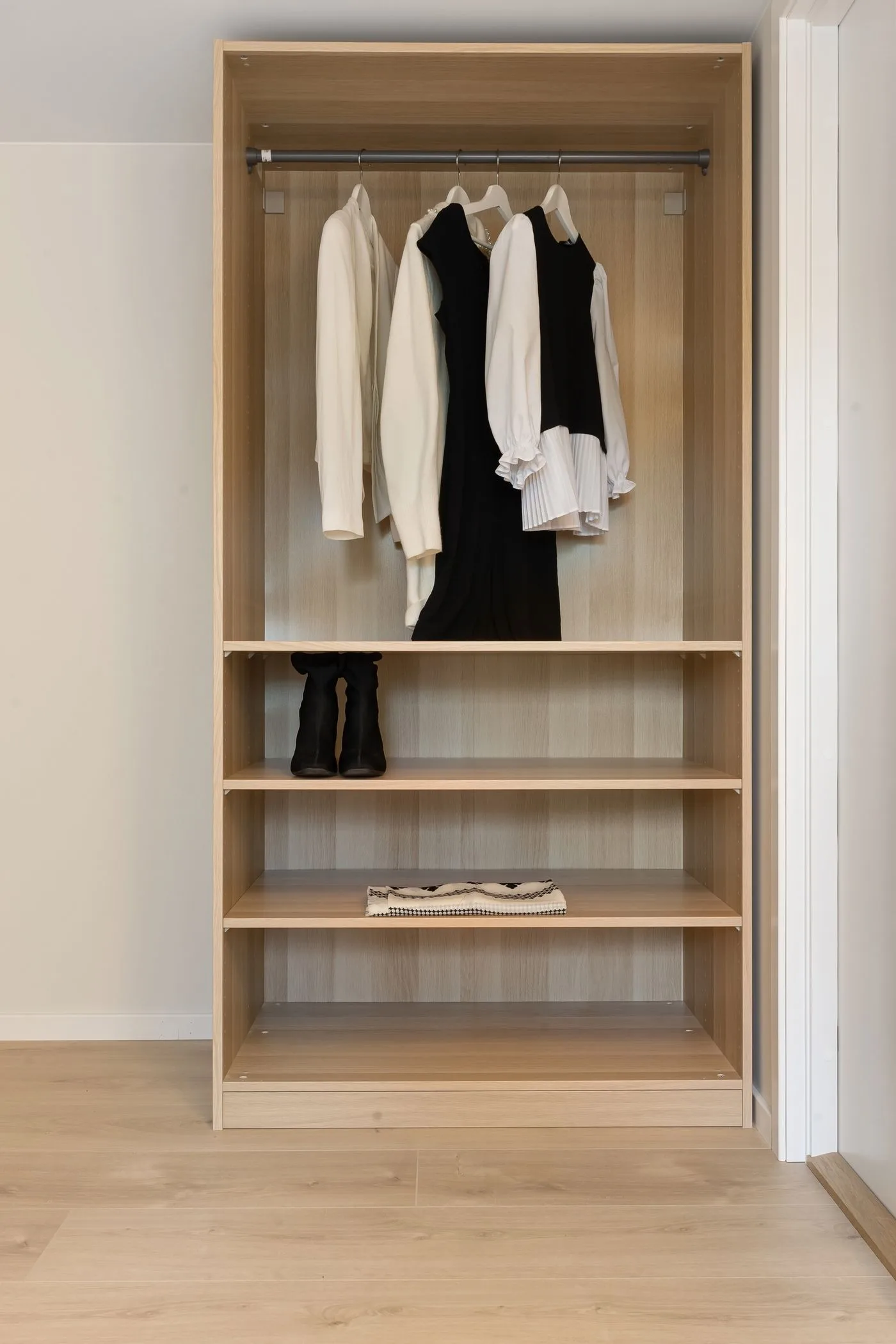
Look at the wardrobe’s ordinary open view before buying another container, keeping actual clothing groups and useful return roles clearer than an attractive color arrangement.
This story may contain affiliate links. We may earn a commission on qualifying purchases. Read our disclosure.
IN THIS STORY
Begin with the wardrobe as it is used
An open wardrobe view can contain clothing, footwear and storage pieces whose roles are already useful. Before adding another container, look at the actual retained group. Identify what is current, what belongs elsewhere and what remains an unresolved decision rather than treating every visible difference as clutter.
The goal is a wardrobe that supports the person's real week, not a display maintained for a photograph. A quiet palette can be deliberate without requiring every object to match exactly.
Name the actual color references
Describe the visible tones beside the specific retained objects. A broad phrase such as neutral wardrobe can hide several different fabrics and product requirements. Keep material identity and care tied to accurate information rather than inferring them from appearance.
Notice which parts remain visible in the ordinary open-door view. A small shelf edge can contribute less to the full group than a close product crop suggests. Include the real clothes before deciding which storage finish matters most.
Give categories a clear role
Where the space is shared, explain the actual current groups instead of expecting another adult to infer a private color code. A decorative order should not silently establish ownership, permission or readiness. Keep the return understandable even when suitable garments have different tones.
If an item repeatedly lands outside the intended group, identify the reason. Its actual storage requirements, current use or unfinished care stage may need attention before another organizer can help.
Choose the container after the contents
Check the real retained objects and usable space through relevant product information. A container's exterior width may not describe its internal opening, and handles or dividers can change the actual arrangement. A quiet material relationship does not resolve a practical mismatch.
Try removing an unrelated optional piece before buying another box. A smaller accurate group may become visually clearer without another product. An empty shelf section can remain useful space rather than evidence that storage is unfinished.
Keep readiness honest
Return garments only after their actual required stages and keep items needing attention distinct. A folded or coordinated display should not imply that every task is complete. A saved wardrobe image identifies an appearance, not today's condition of every component.
What if the mixed tones already feel coherent? Keep that useful result without replacing suitable containers. What if the preferred order makes retrieval cumbersome? Choose a simpler appropriate arrangement. A considered open-view palette lets the retained wardrobe's real role shape the display rather than making the household preserve an image.
Update relevant references when clothing or storage products change. A familiar position should not make a replacement inherit another item's identity, intended use or care information automatically.
Related reading
A Closet Reset That Does Not Start With a Shopping Spree, Keep Finished Outfits Distinct From Undecided Rail Items.
Girl In Home creates practical guides to style, home and travel. Our new buying guides explain selection criteria and tradeoffs; they do not claim hands-on testing. Our approach.


