Style
Keep Finished Outfits Distinct From Undecided Rail Items
Keep Finished Outfits Distinct From Undecided Rail Items. Useful comparisons for ordinary clothes, rooms and time away.
This story may contain affiliate links. We may earn a commission on qualifying purchases. Read our disclosure.
IN THIS STORY
Define what finished means for the actual task
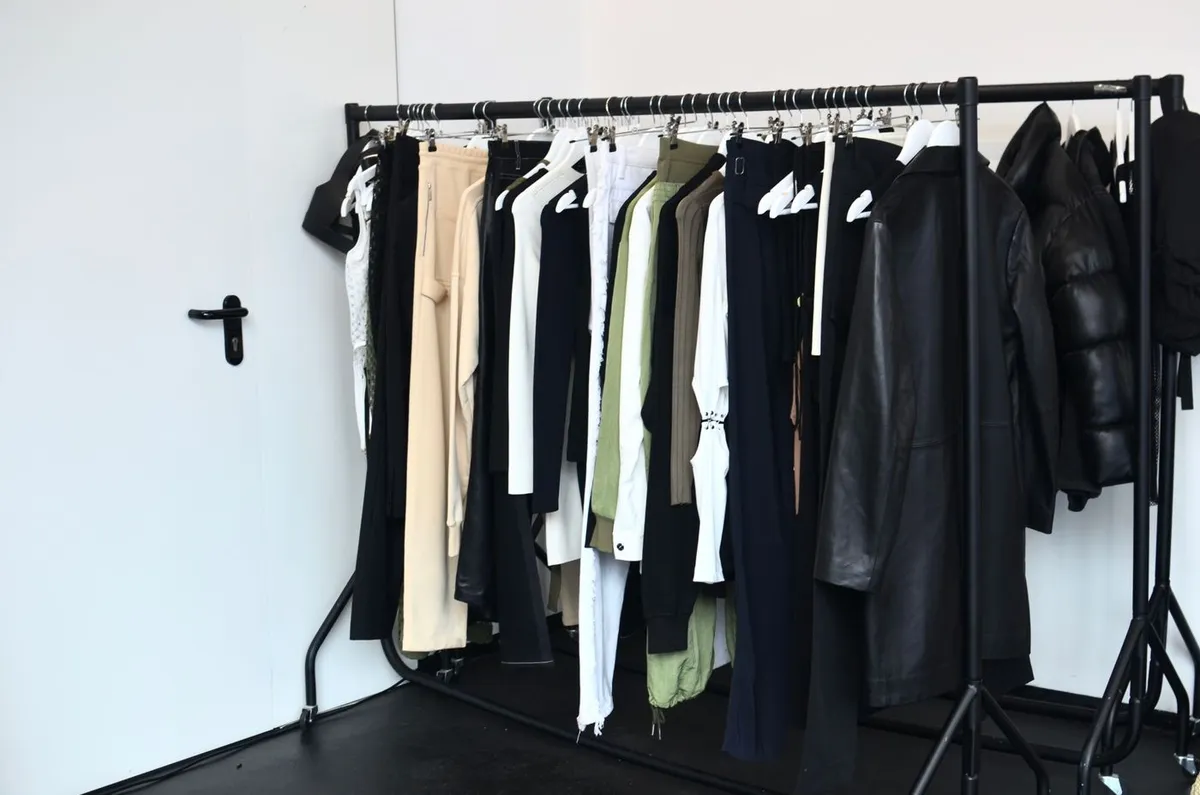
An outfit rail can contain complete combinations alongside garments still waiting for a decision. Before using it for a busy week or event, define which group is genuinely ready: the required pieces are identified, their appropriate care stages are complete and the outfit supports the real role. A neat hanger alone should not communicate all of that. For example, a retained jacket awaiting a suitable repair belongs to a different stage from the same jacket appropriately ready for the planned visit.
Follow the rail and garments' use, loading and storage requirements. This article offers a household distinction, not a universal wardrobe system. Keep the active group modest enough that its actual stage remains understandable.
Separate the open questions
Give undecided items a clear appropriate position or note describing what needs to be resolved. The question might concern a retained layer, a missing associated part or a suitable care task. Avoid treating every loose garment as an invitation to buy something new.
Our retained closet reset guide starts before shopping. A finished-outfit boundary supports that approach by showing which decisions are already solved and which need actual information rather than another purchase.
Keep outfit identity simple
Use a plain suitable marker or agreed grouping where useful. Name the actual day or role rather than a private code that another person cannot interpret. If the rail is shared, keep ownership clear and do not rearrange someone else's clothing under an assumed common system.
The outfit reference guide keeps successful retained combinations understandable. The rail can use that information without turning every garment into a permanent display or a rigid capsule rule.
Review changes before calling the group ready
If an item is borrowed from the outfit for another day, reassess the group honestly. The remaining pieces may still look coordinated while the real combination is incomplete. Keep appropriate care and return stages clear before replacing the item on the rail.
Do not let the ready label become more important than the actual garments. A changed activity, weather requirement or personal need may call for another suitable outfit. The group should support the current plan instead of preserving an earlier decision automatically.
Close the temporary arrangement
After the week or event, return the garments through their appropriate care and storage destinations. Keep useful outfit references where wanted and remove obsolete markers. An outfit rail should not remain indefinitely full of supposedly current combinations that no longer match the household's days.
What if the open-question group keeps growing? Resolve one specific task or choose another suitable role before expanding the rail. What if no marker is needed? A clear modest arrangement may be enough. The useful boundary separates genuine readiness from undecided clothing, making getting dressed easier without pretending order is the same as a finished outfit.
Girl In Home creates practical guides to style, home and travel. Our new buying guides explain selection criteria and tradeoffs; they do not claim hands-on testing. Our approach.