Home & Living
Choose One Metallic-Looking Connection for the Table
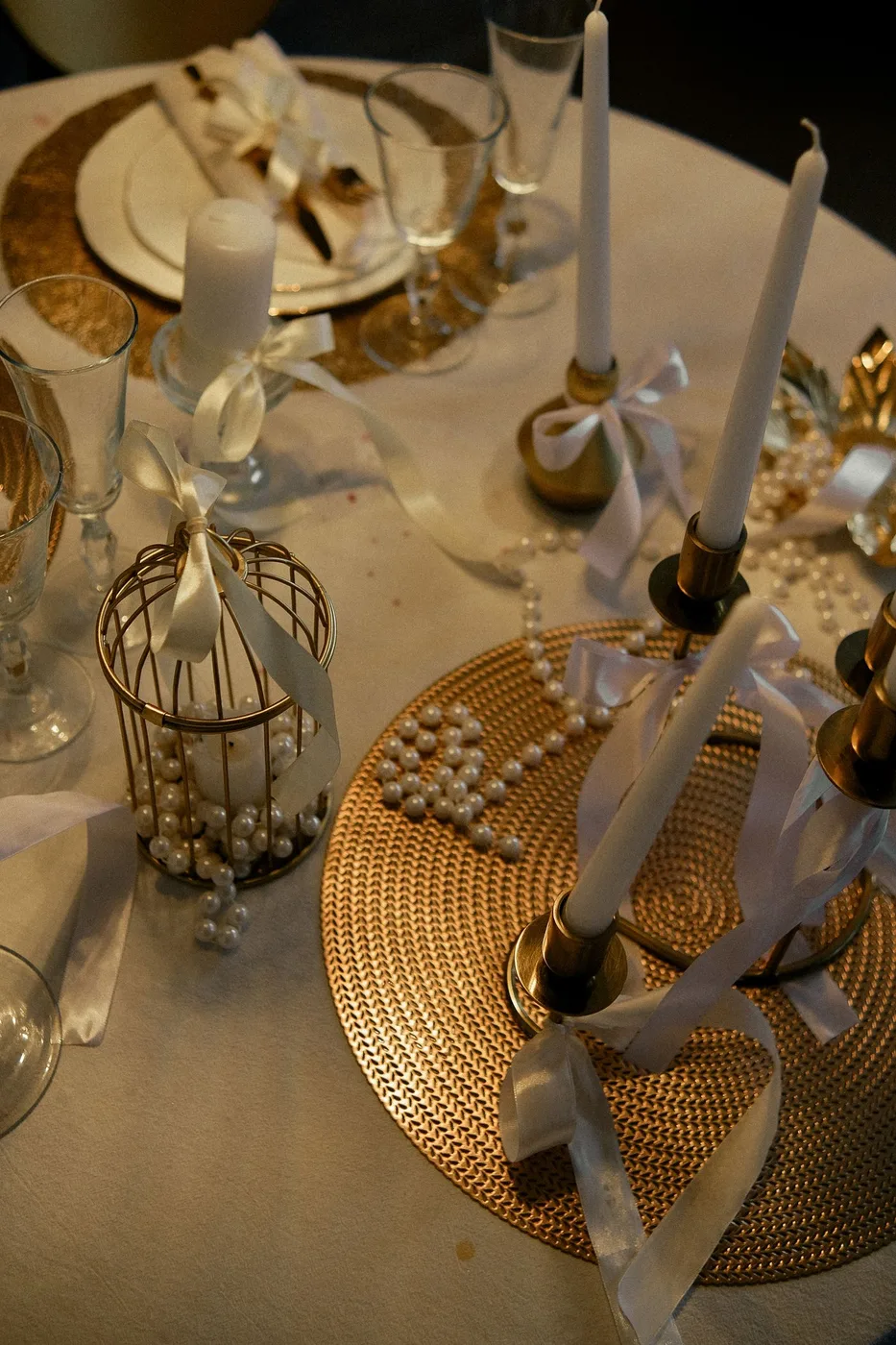
Choose one metallic-looking connection from suitable retained table pieces, keeping actual serving roles and separate product requirements clearer than a matching display.
This story may contain affiliate links. We may earn a commission on qualifying purchases. Read our disclosure.
IN THIS STORY
Choose the working table group first
Reflective or metallic-looking details can appear on several retained table objects. Begin with the actual suitable pieces needed for the meal rather than selecting another decorative finish in isolation. A small visual connection can be deliberate without every surface matching exactly.
Keep appearance separate from material identity. A warm or pale sheen does not establish composition or care requirements. Preserve accurate product information where intended use and handling matter.
Name one real relationship
Look at the actual cutlery, glassware or other suitable retained detail and describe the specific link you prefer. A modest repeated tone may be enough. A broad instruction to buy matching table accessories can produce several objects with no real serving role.
If a contrast feels clearer, keep that personal choice without inventing a universal matching rule. The purpose is a useful setting for the people involved, not proof that every object belongs to one collection.
Compare the complete meal view
Include the actual plates, linen and necessary serving group before deciding whether another detail is wanted. A close image can make a small edge more dominant than it appears across the full table. Keep the ordinary room view central rather than judging an isolated product crop.
Change one suitable optional detail at a time while the rest stays steady. Replacing the glassware, textiles and display together can hide which local difference actually helped and whether the entire new group was needed.
Preserve practical destinations
An optional object needs an appropriate place if the meal requires the surface it occupies. A full pre-arrival display represents only one stage of the gathering. The people should not have to protect a frozen arrangement from ordinary serving tasks.
Choose every product through its actual intended use. A decorative piece near food does not automatically serve another purpose. Keep condition and unfinished care questions explicit rather than allowing a coordinated appearance to imply that all objects are ready.
Keep the result bounded
If one retained connection gives the appearance you want, keep it without strengthening the theme through more purchases. Preserve the actual product references where future care or replacement questions need them. A general color word may cover several different constructions.
What if the finishes differ but the setting feels clear? Keep that considered contrast. What if one detail dominates too strongly? Remove that optional object before changing useful working pieces. A considered finish choice supports the actual meal while leaving people and real product roles more important than a matching image.
Return each item through its own guidance after use. Similar tones should not turn a decorative group into one assumed universal process, especially when different products have separate requirements.
Related reading
Choose the Active Group in a Shared Cutlery Drawer, Let a Sideboard Display Include Objects You Actually Use.
Girl In Home creates practical guides to style, home and travel. Our new buying guides explain selection criteria and tradeoffs; they do not claim hands-on testing. Our approach.


