Home & Living
Let a Sideboard Display Include Objects You Actually Use
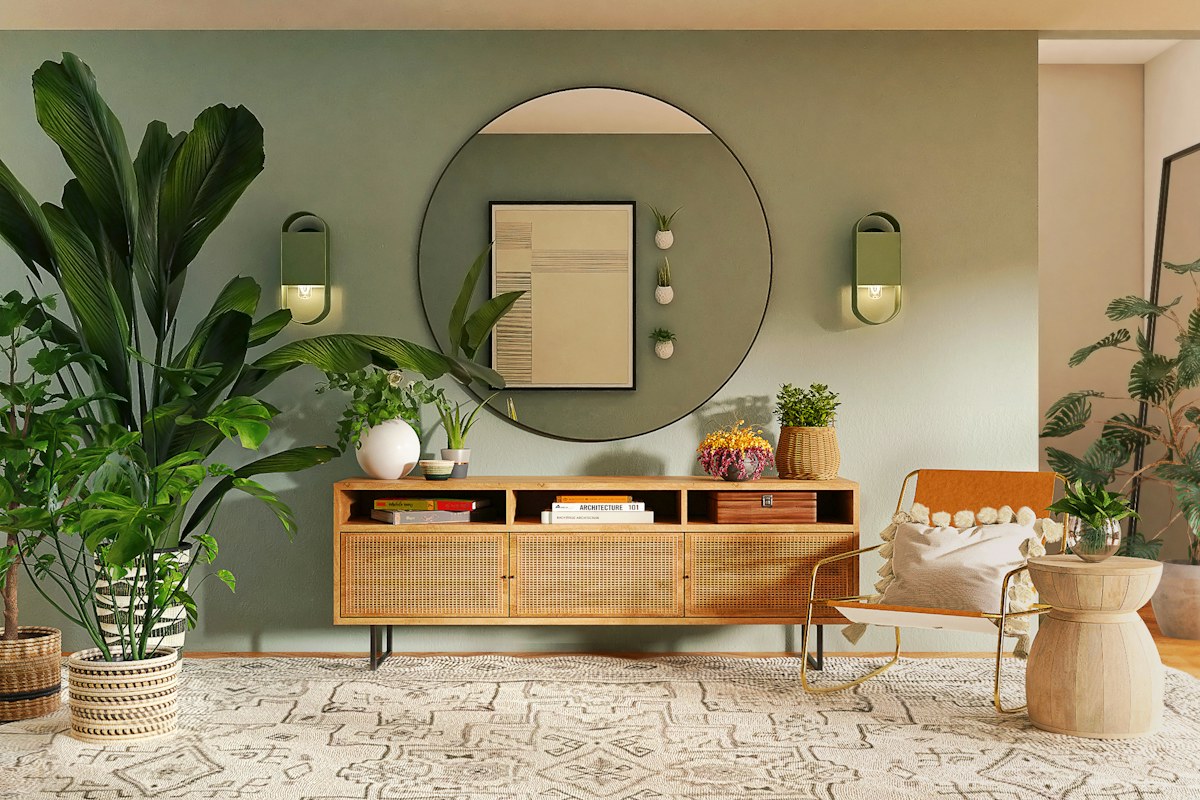
A sideboard display can include objects used in ordinary life as well as pieces kept for their appearance.
This story may contain affiliate links. We may earn a commission on qualifying purchases. Read our disclosure.
IN THIS STORY
Choose objects with an honest role
A sideboard display can include objects used in ordinary life as well as pieces kept for their appearance. Start by naming those roles. A suitable serving bowl, a current book and a valued framed image do not need to justify themselves in the same way.
Keep product requirements central. A decorative vessel is not automatically suitable for food, and a fragile display object may need handling different from everyday equipment. The arrangement should make those distinctions clearer rather than hide them inside one coordinated group.
Check the furniture and surface
Read the sideboard's actual loading, setup and care information. Compare the complete shape and base of each object with the usable surface. Include projecting handles or foliage where present instead of measuring only a container's foot.
Resolve material contact questions before treating the display as permanent. A tray or runner is another product with its own requirements, not automatic protection for every finish. Seek appropriate guidance where a valued or unfamiliar object's needs remain uncertain.
Keep useful objects retrievable
If an object has a regular job, check whether it can be removed and returned appropriately without dismantling the whole display. A serving piece buried behind several delicate ornaments may be better kept elsewhere. Useful does not have to mean permanently visible.
Our small brunch guide connects equipment with an actual occasion. The sideboard can support that task without holding the entire household tableware reserve on top.
Compare from ordinary room views
Look at the complete arrangement from the doorway and the positions usually occupied. A tightly cropped photo can make a crowded group appear more coherent than it is in the room. Keep doors, drawers and necessary access available.
Choose a visual relationship you enjoy, such as repeated material or a deliberate difference in height. There is no requirement for every object to share a color or for the sideboard to carry a fixed number of decorative pieces.
Let the display change with use
When a working object is removed, the remaining arrangement should still be manageable. Avoid buying a duplicate simply to fill the gap it leaves. Return the object only after its appropriate care or other task is complete.
Our retained living-room guide supports a proportionate change. A useful display can remain personal and flexible. It does not need to reproduce a styled photograph every time a bowl or book is used.
Sideboard-display questions
Must everything on display be decorative? A suitable working object can have an honest visible role.
Should every useful piece stay on top? Choose clear retrieval and appropriate storage rather than visibility alone.
What if removal disrupts the arrangement? Simplify the display instead of buying a duplicate to preserve its exact outline.
Girl In Home creates practical guides to style, home and travel. Our new buying guides explain selection criteria and tradeoffs; they do not claim hands-on testing. Our approach.


