Home & Living
Look at a Floor Lamp’s Daytime Tone Before Changing the Room
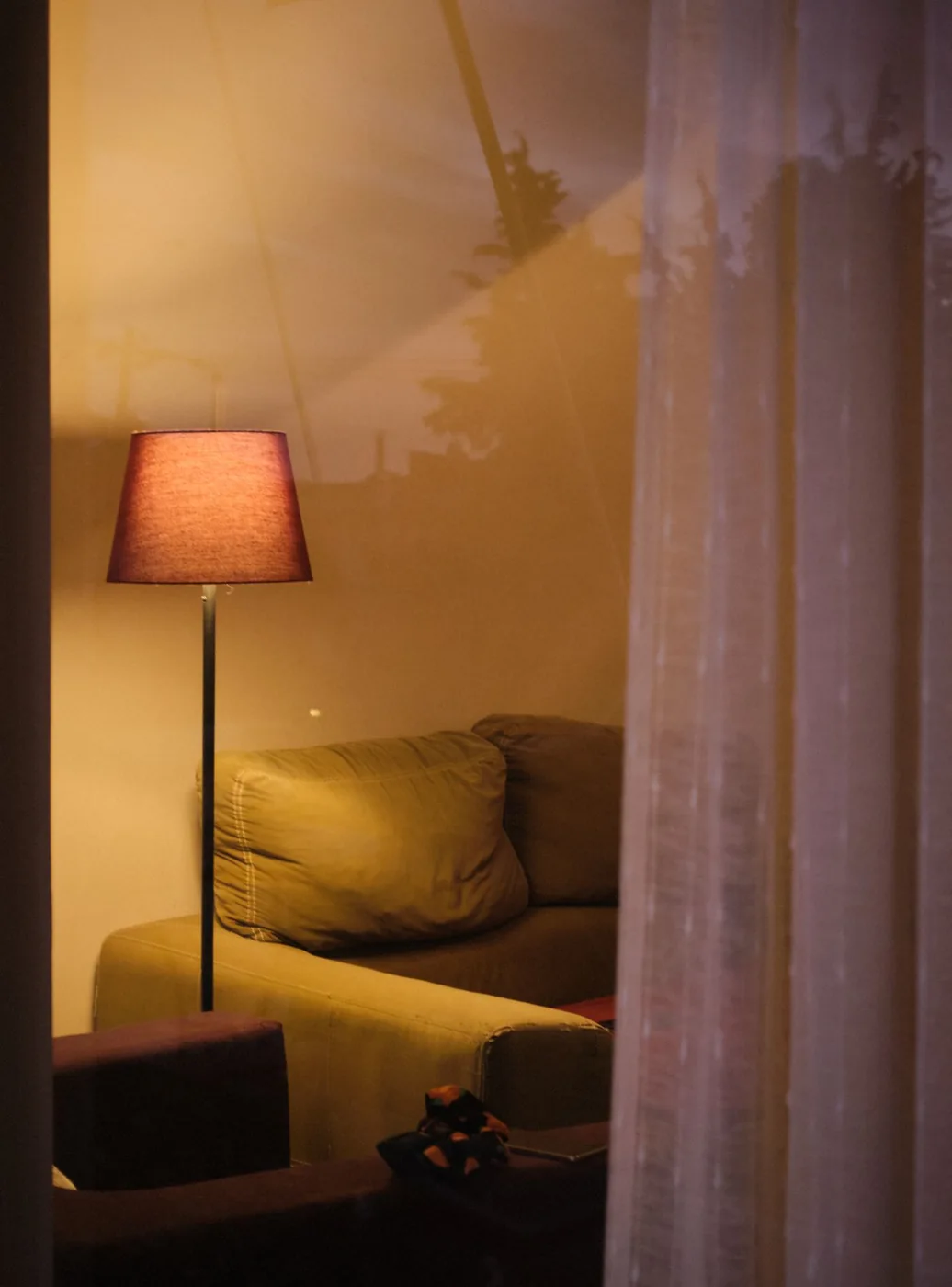
Assess a floor lamp in daylight as well as when illuminated, comparing the shade, stem and base with retained room materials before changing the whole corner.
This story may contain affiliate links. We may earn a commission on qualifying purchases. Read our disclosure.
IN THIS STORY
Look at the unlit object
A floor lamp spends part of its life switched off. In daylight, its shade, stem and base remain furniture-scale objects in the room. Begin by looking at that unlit outline from the usual entrance. Notice whether the shade reads as warm cream, cool white or a darker block against the retained wall.
The lamp's evening glow can make its materials appear more harmonious than they look by day. Neither view tells the whole story. Compare both before deciding that a room needs new paint or another large decorative piece to make the corner work.
Separate the three visible parts
Look at the shade first, then the stem and base. A pale shade may suit the wall while a shiny metal stem feels disconnected from the room's otherwise matte finishes. That is a more specific problem than saying the lamp has the wrong color.
Check which part you actually notice from across the room. The base may be largely hidden by furniture, while the shade forms a strong shape beside a picture. Give the most visible relationship appropriate weight rather than choosing a finish solely from a close-up product photograph.
Compare the retained materials
Keep the sofa, flooring and nearby table in view. A warm timber floor can connect with a cream shade, while a dark stem might repeat the outline of shelving elsewhere. The pieces do not need identical finishes to make a clear relationship.
If you are considering a replacement shade, use the lamp maker's compatibility and safety information. Appearance alone cannot establish that another shade, fitting or bulb is suitable. Do not cover a shade, alter electrical parts or improvise an attachment as part of a decorative trial.
Check the evening purpose separately
Once the daylight appearance is understood, use the lamp in its normal evening role. Notice where the light falls and whether the controls remain accessible. A sculptural shape that suits a photograph may still be awkward beside the chair where you actually read or sit.
Avoid moving several neighboring pieces at once. First compare the existing corner with one unnecessary ornament removed. Then consider whether a small furniture adjustment improves the lamp's relationship while preserving routes, cable safety and the equipment's stated placement requirements.
If the lamp works both visually and practically, keep it and stop collecting alternatives. If only one visible material remains troublesome, identify that issue before shopping. A clear note about the shade's daylight warmth or the stem's sheen helps you compare candidates without restarting the room from scratch. The aim is a lamp that belongs to the room through its ordinary day and evening use.
Related reading
Compare Lampshade Shape With a Retained Table Lamp, Compare an Accent Chair With the Lamp Beside It.
Girl In Home creates practical guides to style, home and travel. Our new buying guides explain selection criteria and tradeoffs; they do not claim hands-on testing. Our approach.


