Home & Living
Compare an Accent Chair With the Lamp Beside It
Compare an Accent Chair With the Lamp Beside It. Useful comparisons for ordinary clothes, rooms and time away.
This story may contain affiliate links. We may earn a commission on qualifying purchases. Read our disclosure.
IN THIS STORY
Compare the pair from the chair
An accent chair and lamp can form an appealing corner while their actual relationship remains awkward for the person sitting there. Begin with the retained seat and the task it should support. Look at the lamp's position from the occupied chair, not only the doorway view used to style the room.
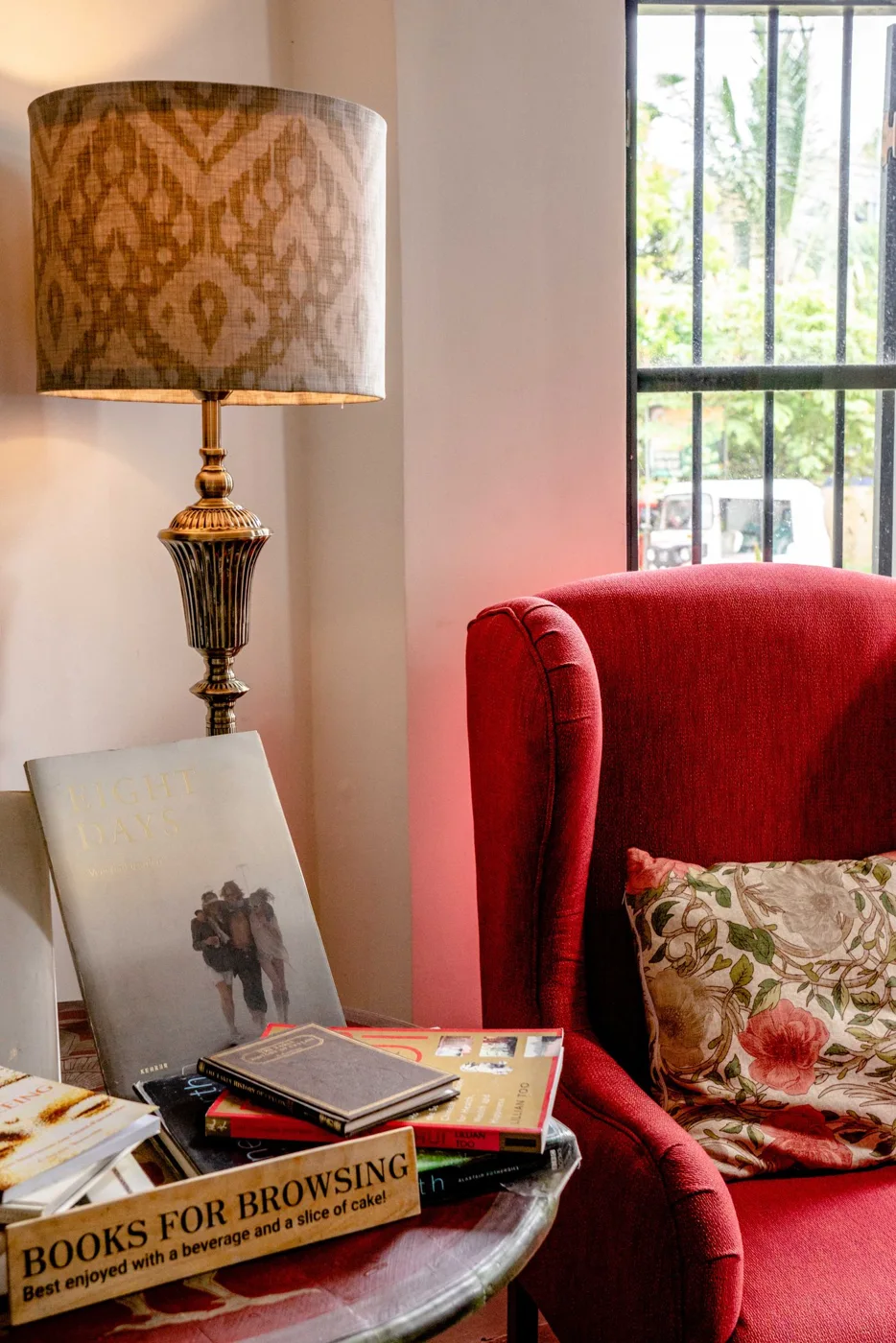
Follow the furniture and lighting products' actual requirements and keep personal needs central. This article does not prescribe universal light levels or assess electrical arrangements. A red chair beside a decorative lamp is an illustrative image, not a tested reading setup.
Give the lamp an actual role
Decide whether it supports reading, provides a suitable room-lighting layer or serves another intended function. Those roles can produce different useful positions. A lamp does not need to perform every task simply because it looks balanced beside the chair.
Our reading corner guide starts with a seat that is genuinely used. A decorative pairing should build on that practical role instead of asking the user to accept an unsuitable arrangement to preserve the photograph.
Compare outlines at room scale
Look at the chair's back and arms alongside the lamp's visible stem and shade. Different shapes can connect without matching exactly. Decide whether the lamp should be a quiet companion or another deliberate accent, keeping the retained room elements in the view. Include the ordinary side surface if one serves the seat, so the visual comparison is not limited to two isolated objects that will actually share the corner with a third useful piece.
The lampshade comparison guide works with an actual retained lamp. Use that reliable product relationship before considering changes. A new shade is not automatically compatible because its outline suits the chair.
Keep the footprint and operation suitable
Follow the lamp's placement, compatibility and operating instructions and keep the room's necessary access available. Include the base and any relevant cable arrangement through those requirements. The visual pair should not require an improvised support or another unsuitable condition.
If the actual task cannot be served appropriately from the desired decorative position, compare another suitable arrangement. A room can remain considered while the useful lamp sits differently from the first inspiration image.
Choose the relationship through ordinary use
Use the chair normally and notice whether the intended task works and the corner remains enjoyable. Keep genuine observations specific rather than claiming a universal improvement from one lamp movement. Another person's needs may call for a different appropriate setup.
What if the lamp is mainly decorative? Be honest about that role and provide a suitable task arrangement where needed. What if the chair rarely gets used? Reconsider its real purpose before buying another accessory to complete the corner. A useful chair-and-lamp pair supports the actual seat and room, with visual balance following practical suitability.
Girl In Home creates practical guides to style, home and travel. Our new buying guides explain selection criteria and tradeoffs; they do not claim hands-on testing. Our approach.


