Home & Living
Read Dining Chair Backs From the Ordinary Entrance View
Compare dining chair backs from the doorway and around the table, using their spacing, height and visible outlines to assess a room before changing the furniture.
This story may contain affiliate links. We may earn a commission on qualifying purchases. Read our disclosure.
IN THIS STORY
Begin where you normally see the table
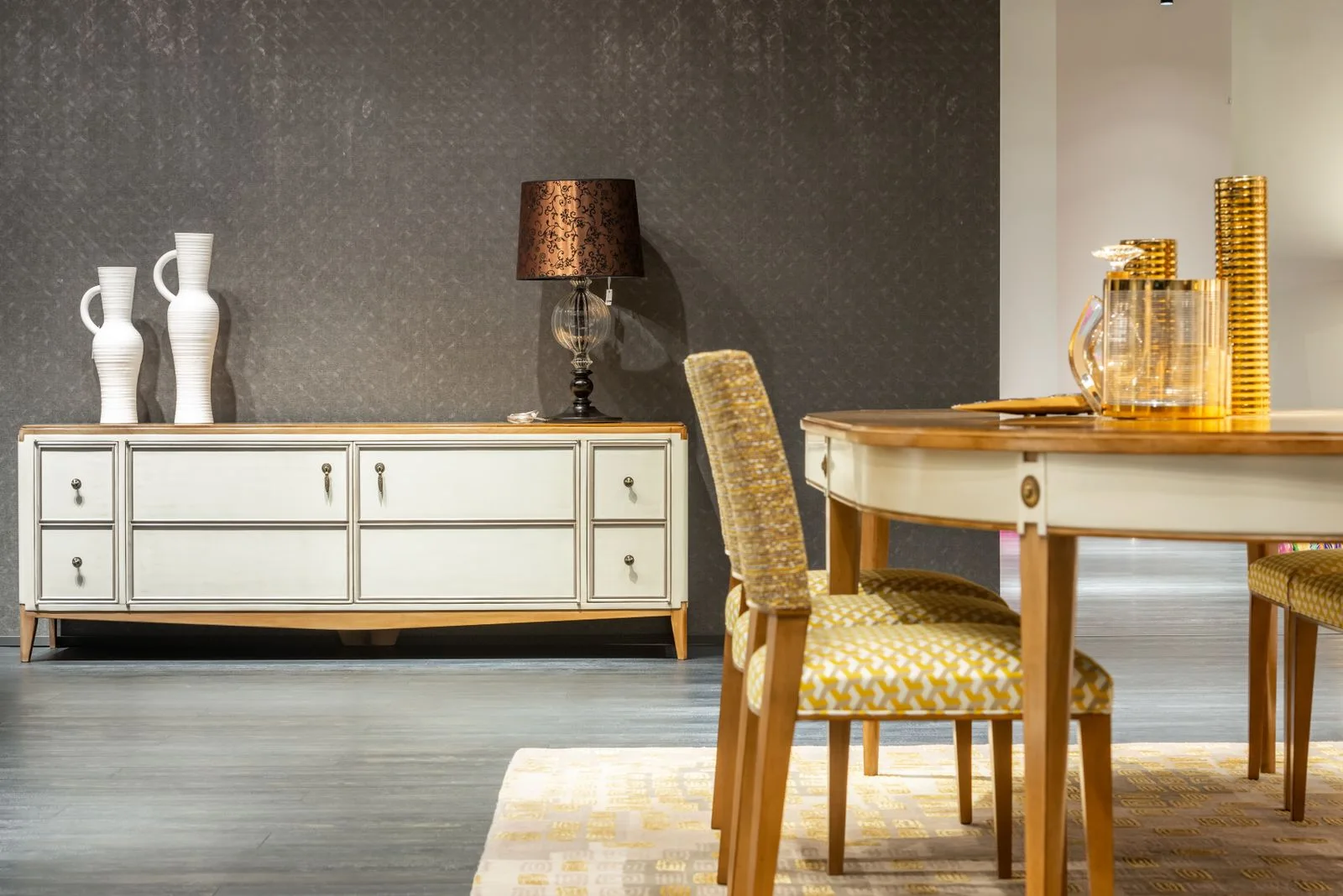
Dining chair backs often form the first outline visible from an adjoining room. Stand at that ordinary entrance and look at the repeated shapes before focusing on upholstery color. A row of tall solid backs can create a broad visual wall; open frames may allow more of the table and room beyond to remain visible.
Neither outline is automatically better. The useful question is whether the repeated shape suits the room you have. Keep the table, nearby storage and doorway in the view instead of judging an individual chair against a blank background.
Check the pushed-in arrangement
Arrange the chairs as they usually sit between meals. Notice whether their backs form an even rhythm or gather into a crowded group at one end. Compare the spacing that the actual table permits, not an idealized photograph with fewer chairs than your household uses.
A dining area may look busy because bags and coats collect on the backs, rather than because the chairs themselves are too substantial. Remove temporary belongings for the comparison, then provide those belongings a real destination. Do not use a tidied view as proof that an everyday storage problem has disappeared.
Include the seated view
Sit at the table and look toward the room entrance and neighboring seats. A chair back that looks delicate from across the room may have a pronounced frame close up. Consider how the outline relates to the table edge, pendant or wall art from this position.
If you are considering different chairs, check dimensions and intended use carefully. Visual openness does not establish stability, comfort or suitability. Use the maker's information for load, assembly and care, and avoid modifying a chair to make its silhouette look lighter. A room comparison cannot replace those practical checks.
Compare a complete set before buying
A single showroom chair can be appealing while six of the same shape create a much stronger pattern. Picture the quantity you need, with their backs overlapping from your actual doorway angle. If samples or reliable dimensions are available, use them to understand the complete arrangement.
For mixed chairs, identify one connection that will remain clear across the table: similar back height, related frame color or a shared level of visual weight. Changing every attribute at once makes the grouping harder to assess. Keep a retained pair together during the comparison so the differences are visible.
If the current outline works once loose belongings are removed, keep the chairs and address the storage habit. If the issue is genuinely the repeated shape, save the entrance photograph and dimensions as references. A specific account of what feels crowded is more useful than a general wish for a lighter dining room.
Related reading
A Dining-Table Workspace You Can Clear Before Dinner, Let a Sideboard Display Include Objects You Actually Use.
Girl In Home creates practical guides to style, home and travel. Our new buying guides explain selection criteria and tradeoffs; they do not claim hands-on testing. Our approach.


