Home & Living
Keep Curtain Operation Part of the Furniture Plan
A furniture layout can frame a window attractively while making the curtains awkward to operate.
This story may contain affiliate links. We may earn a commission on qualifying purchases. Read our disclosure.
IN THIS STORY
Include opening and closing the curtains
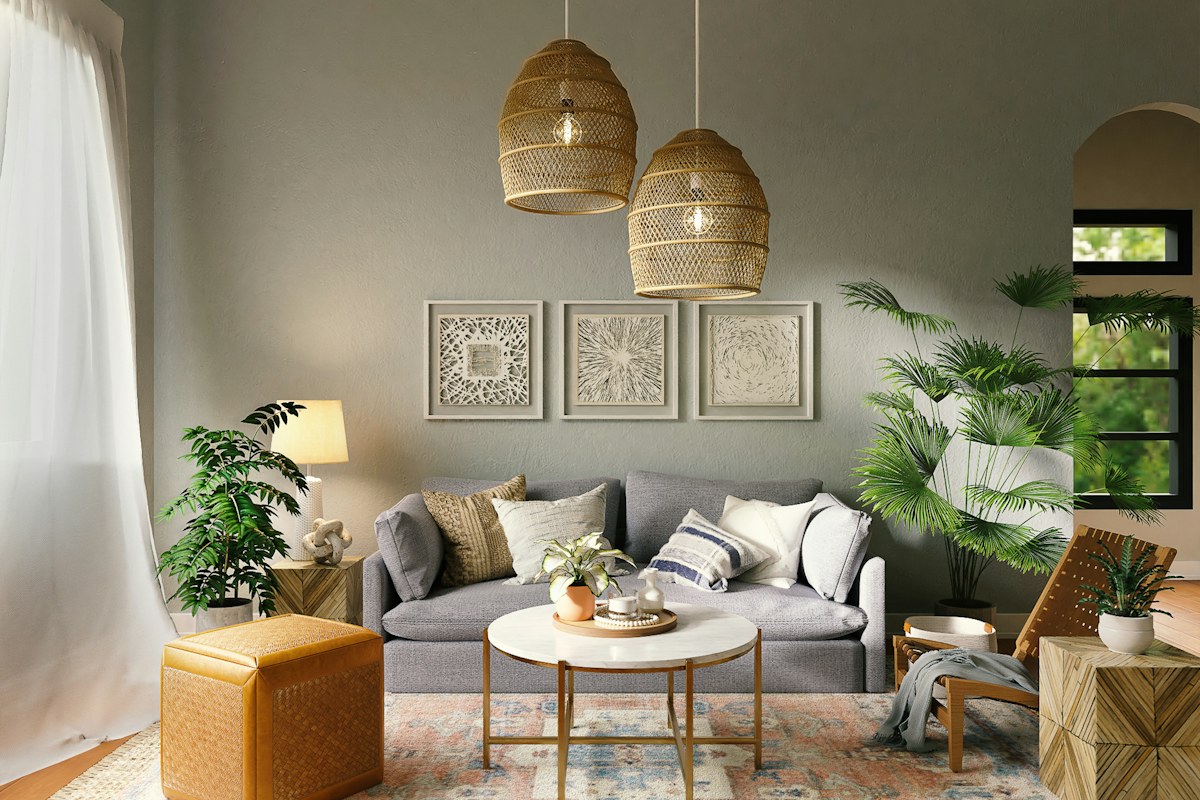
A furniture layout can frame a window attractively while making the curtains awkward to operate. Include their intended movement before settling the sofa, table or chair position. A photograph of curtains already open does not show the complete household task.
Follow the curtain, fitting and furniture requirements, including any household-specific safety needs. This guide considers room relationships rather than installation or cord-management instructions. Seek appropriate product guidance where the actual setup is uncertain.
Check the complete fabric path
Look at where the curtains move and gather under their intended use. Include the full fabric, not only the leading edge visible in the doorway. A nearby chair arm or table can occupy part of that path even when it does not touch the window itself.
Do not force fabric behind furniture or accept repeated catching as a normal operation method. Identify the specific obstruction before considering another fitting. A suitable modest furniture adjustment may resolve the relationship without changing the whole window treatment.
Keep the person’s approach suitable
Consider the actual person operating the curtains and how they approach the relevant controls appropriately. Preserve necessary room routes. A narrow gap can exist on a floor plan while being inconvenient during ordinary use.
Our layout reference guide supports recording the real issue before moving furniture. Keep handling within the actual products' and person's requirements. Obtain suitable help where a proposed move or fitting question calls for it.
Include nearby objects and materials
Check plants, lamps and other retained objects near the window. Their complete shapes and relevant care needs belong in the arrangement. A suitable place for one object does not establish that every item can share the same light or contact conditions.
Our plant display guide considers another object group. Keep those needs distinct from the curtain's operation. A decorative tray or stand should not be assumed to resolve every material or access issue.
Review the room in both states
Look at the actual occupied room with curtains open and closed as appropriate. Check that the retained furniture still serves its purpose and the operation remains clear. A solution should work beyond the single state chosen for a styled photograph.
Our living-room guide supports proportionate changes. Before buying new hardware or another narrow table, identify what the existing arrangement cannot do. The useful outcome may be preserving a small suitable operating space rather than adding a new product.
Curtain-space questions
Does the open-curtain view establish the full layout? Include the intended movement and closed state.
Can furniture stay where fabric repeatedly catches? Review the specific relationship and product requirements.
Must the fitting be replaced first? Check whether an appropriate modest room adjustment resolves the actual issue.
Girl In Home creates practical guides to style, home and travel. Our new buying guides explain selection criteria and tradeoffs; they do not claim hands-on testing. Our approach.


