Home & Living
Make a Reading Corner You Will Actually Use
Create a comfortable reading spot with the seat, light, storage, and small practical details that make sitting down easy.
This story may contain affiliate links. We may earn a commission on qualifying purchases. Read our disclosure.
IN THIS STORY
Find the place where you already pause
A reading corner does not need its own room or a completely new furniture collection. Start by noticing where you naturally sit when the house becomes quiet. A corner of the living room, a bedroom chair, or one end of a sofa may be the right place. Consider sound, drafts, glare, and household traffic at the time you usually read. A beautiful window seat may be uncomfortable after sunset if there is no useful light. Test the spot for several evenings before buying anything. The best location supports a habit you want, rather than creating a display that asks for constant adjustment.
Choose the seat by sitting for a while
Comfort is personal and depends on your body, posture, and how you hold a book. A deep low chair may look inviting but make it difficult to sit upright or stand up. Check seat height, depth, arm position, and whether your feet rest comfortably. Try a chair for more than a quick showroom pose when possible. If you already have a usable seat, adjust it with a cushion you own before replacing it. A footstool may help some people and crowd a small room for others. Buy the arrangement that feels comfortable through an actual reading session.
Put light where the page needs it
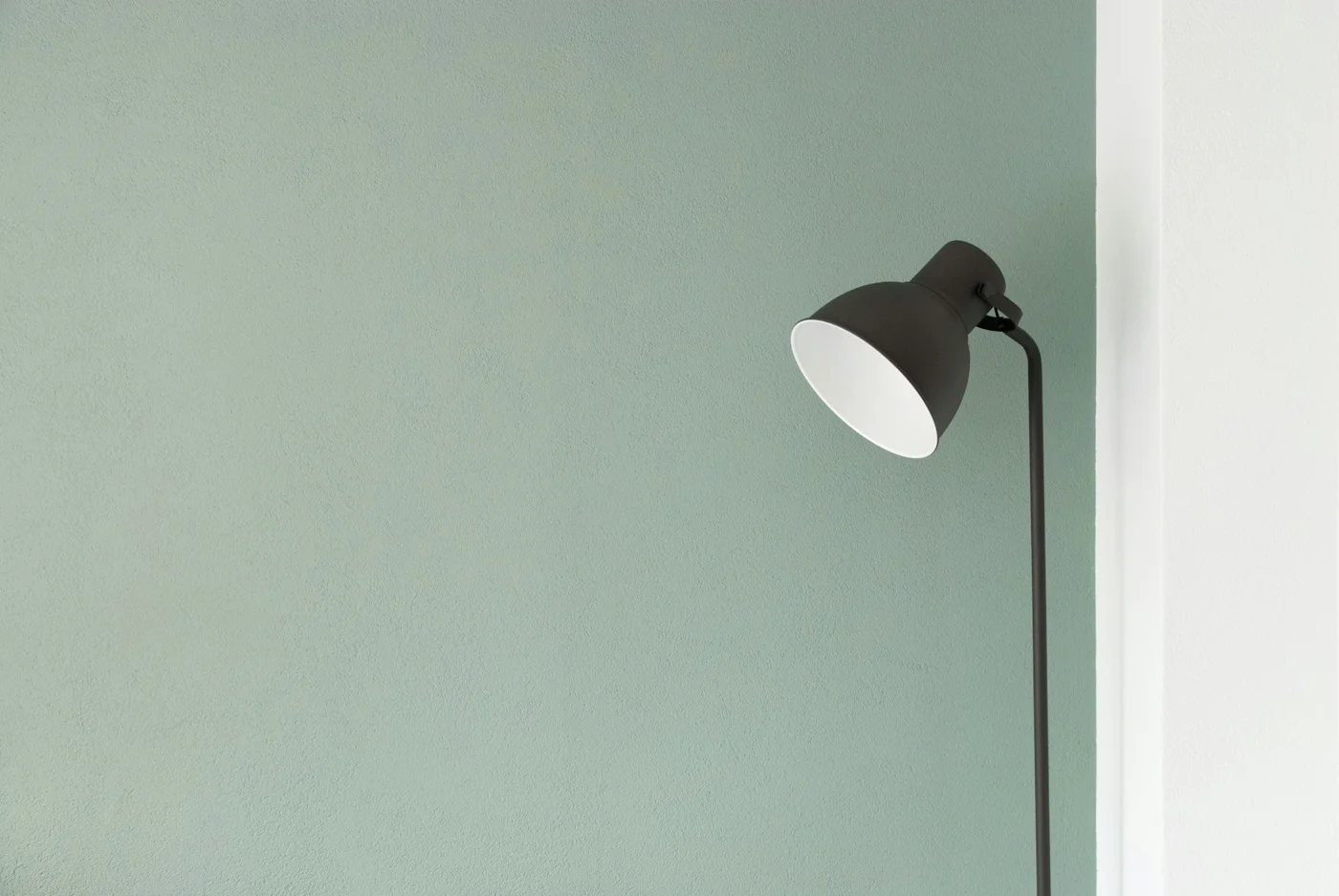
Use a lamp that allows you to see the page comfortably without a bright glare in your eyes or reflection on a screen. Adjustable direction can help when the seat or reading position changes. Check bulb compatibility, maximum ratings, and the manufacturer instructions. A decorative shade may produce a pleasant room glow while leaving the book in shadow. Try the lamp position with your usual book and seating posture before finalizing it. Route cables safely away from the walking path and avoid overloading outlets. Lighting should be easy to switch on from the seat; otherwise the corner is less convenient than it looks.
Give the small objects a surface
A stable side table can hold a drink, glasses, and a book without making you balance everything on the chair arm. Measure its height against the seat and check the footprint in the actual corner. A tiny table may photograph well but leave no safe room for a mug beside a large book. A larger one may obstruct the route through the room. Use an existing stool or table temporarily to find the size that works, provided it is stable and suitable. Prioritize a surface you can clean easily over a delicate finish that makes every cup feel risky.
Keep the book selection small
The corner needs access to what you are reading now, not necessarily your entire library. A shelf, a basket, or a small stack can be enough. Choose storage that keeps books accessible and avoids creating an obstacle on the floor. If you use an e-reader, give its charger a sensible home without letting cables spread across the seat. A large bookcase may be valuable elsewhere, but it can make a modest corner feel crowded. Leave space for your body to move comfortably. A reading habit is supported by reaching a book easily, not by surrounding the chair with as many books as possible.
Use softness selectively
A throw can be welcome during cool evenings if it is comfortable against your skin and easy to wash. Too many cushions can make you spend the first minutes rearranging the chair. Start with what improves comfort and remove anything that has to be moved every time you sit. Consider pet hair, household laundry, and the local climate before selecting a textile. A rug may help define the area, but it should lie securely and work with furniture and door clearances. The corner does not need every texture shown in a catalog. Give each addition a practical reason to stay.
Protect a realistic window of time
A comfortable chair cannot create a free hour by itself. Choose a small reading window that fits your day: after breakfast, before bed, or while dinner is in the oven when safe to do so. Put the book where it is visible and leave your phone elsewhere if that helps you focus. Let other household members know whether you want quiet or are happy to share the space. Avoid making the habit depend on a perfectly clean room. A useful corner is ready enough that you can sit for ten minutes without first styling the shelves or completing a full reset.
Questions before furnishing the corner
Do you need a dedicated reading chair? No; a comfortable existing seat and useful light may be enough. Is a floor lamp better than a table lamp? Choose the one that places light well and fits the available surface and floor space. What deserves the largest share of the budget? Usually the comfort problem you have actually identified, rather than accessories. How can the area stay tidy? Limit it to current reading and a few functional items. For practical textile choices, see our everyday linens guide. For controlling objects at the door, use the entryway routine checklist.
Try the setup at the hour you intend to use it before committing to a lamp or side table. Daylight can make an awkward corner appear more practical than it feels in the evening. Notice whether the television dominates the space, whether someone needs to pass behind the chair, and whether a drink can be reached comfortably. Rearranging an existing object is a useful experiment; it can clarify the problem before money is involved.
Girl In Home creates practical guides to style, home and travel. Our new buying guides explain selection criteria and tradeoffs; they do not claim hands-on testing. Our approach.