Home & Living
When Table Linens and Plates Almost Match
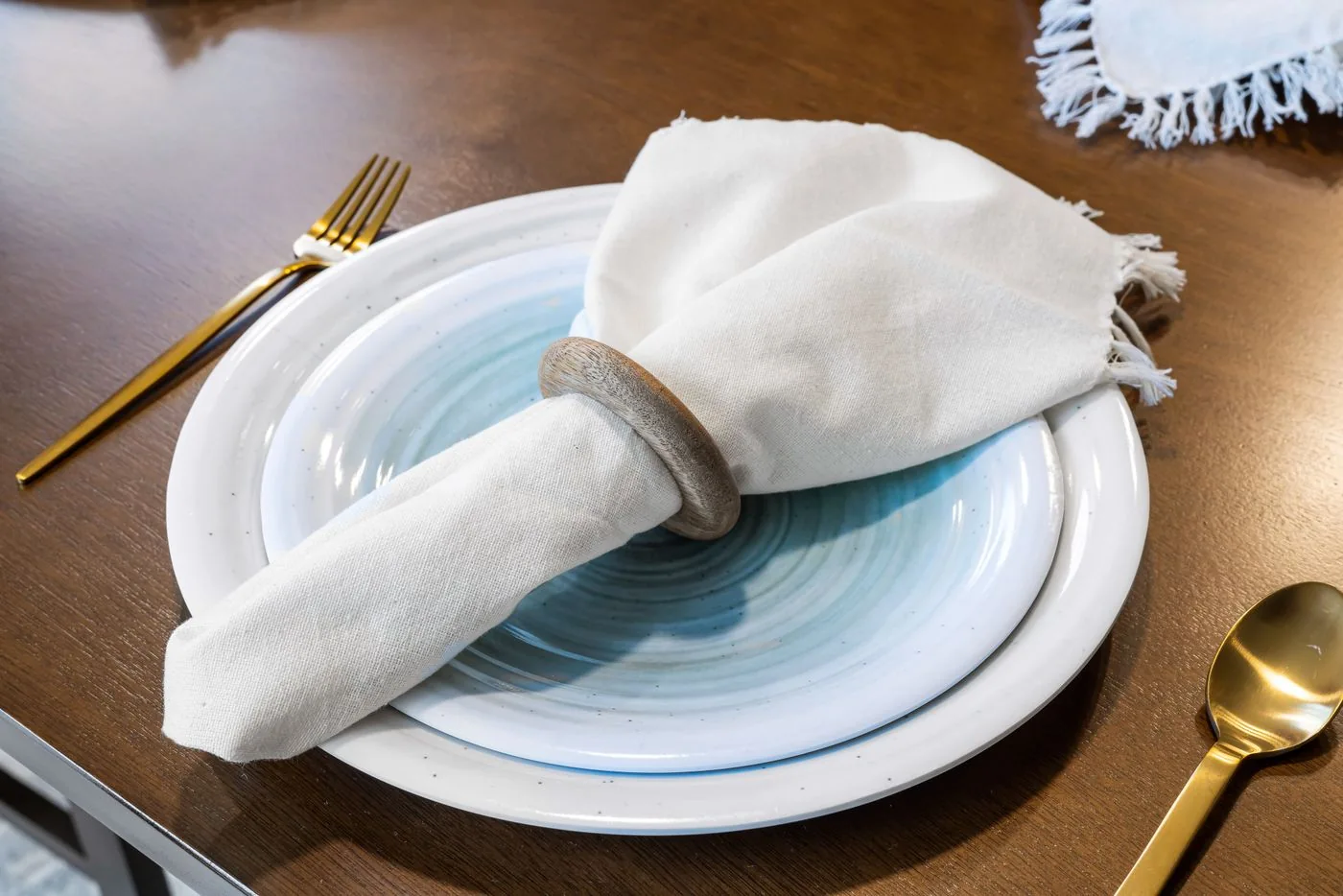
Assess table linens that almost match the plates, separating intentional tonal differences from an awkward near match with a consistent daylight and evening comparison.
This story may contain affiliate links. We may earn a commission on qualifying purchases. Read our disclosure.
IN THIS STORY
Put the real pieces together
A pale tablecloth and white plates can look close enough in separate photographs yet noticeably different on the table. Bring one plate and the linen into the same view before ordering more pieces. Include the table surface if any of it remains visible during ordinary meals.
Look at the relationship rather than deciding which item deserves to be called white. One may read as cream, gray or pink beside the other. These descriptions explain what you see; they do not mean either product is faulty or unsuitable in every room.
Use the lighting of the meal
Compare the group in daylight and under the lamps used for dinner. A pairing that looks crisp at noon may feel dull under warm evening lighting. Keep the plate and linen in the same positions so the comparison is not confused by a different shadow or camera angle.
If you normally eat at a particular end of the table, view the setting there as well as from the doorway. A close place setting and a complete table show different amounts of linen. A small tonal disagreement may become more noticeable when the cloth forms the largest visible surface.
Choose contrast or a quiet relationship
An almost-match is not automatically a problem. It can create a soft tonal arrangement if the difference appears deliberate and you enjoy it. The difficulty arises when you keep trying to conceal an obvious undertone with more objects.
Try a retained napkin or placemat that supplies a clear contrast. A darker neutral or distinct texture can give the plate its own boundary. Change one element at a time; several new colors make it difficult to identify what resolved the original disagreement. Keep enough clear surface for the actual meal.
Avoid matching from a screen alone
Product photographs cannot reliably settle a subtle fabric-and-ceramic comparison. Where possible, use a physical sample, an existing piece or a supplier's clearly described material information. Check dimensions, care and intended use independently of the tonal decision.
If the linen is already owned and works well, consider whether the plates look better directly against the retained table for some meals. You do not have to use every decorative layer on every occasion. A simpler setting can reveal that the near match was created by an unnecessary combination.
Record the chosen relationship in plain language: warmer linen with brighter plates, a distinct dark boundary, or the retained pieces without an extra layer. That note is more useful for later additions than “buy matching white.” Leave a small disagreement alone if it no longer bothers you in the complete setting; exact sameness is not the only way a table can feel settled.
Related reading
Choosing Everyday Linens You Will Happily Wash and Use, A Small Brunch at Home Without a Full Kitchen Reset.
Girl In Home creates practical guides to style, home and travel. Our new buying guides explain selection criteria and tradeoffs; they do not claim hands-on testing. Our approach.


