Home & Living
Build a Small Sofa Texture Group Without Adding More Cushions
Edit sofa textures with the cushions and throws you already own, using a small comparison group to improve contrast without automatically adding more accessories.
This story may contain affiliate links. We may earn a commission on qualifying purchases. Read our disclosure.
IN THIS STORY
Begin with what stays on the sofa
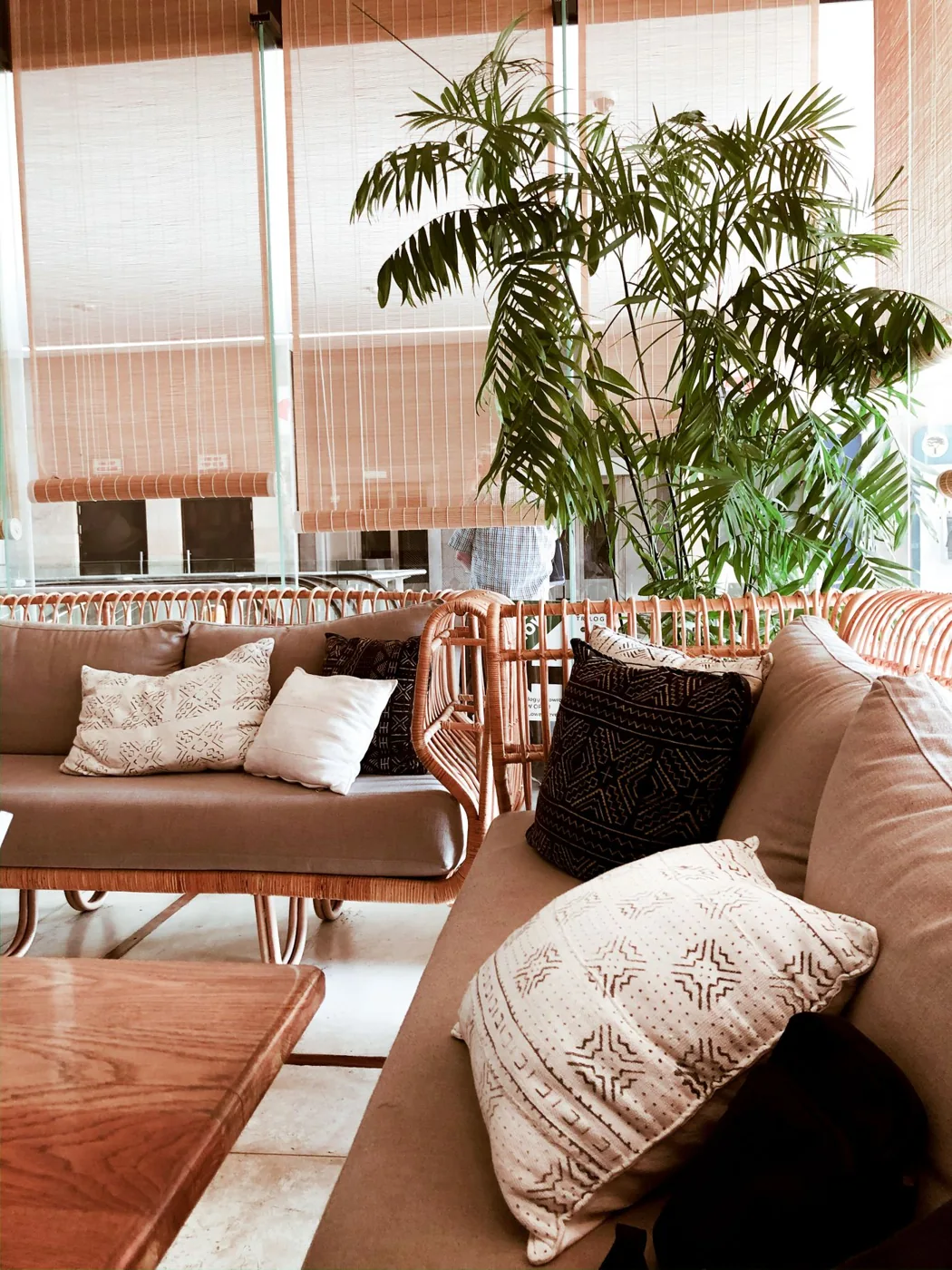
Texture is easiest to compare when the sofa itself remains visible. Remove temporary bags, laundry and unrelated objects, then set out the cushions and throws you actually use. Separate everyday pieces from stored extras before deciding that the arrangement lacks something.
Name the sofa's main surface in ordinary terms: smooth woven fabric, visible weave, soft pile or leather-like sheen. You do not need a technical textile vocabulary to notice whether every accessory repeats that surface or supplies a different visual effect.
Build a small comparison group
Start with two existing pieces that differ clearly in texture. A smooth cushion and a coarser woven throw may be enough to show contrast. Place them as they would sit during ordinary use rather than arranging a showroom stack that occupies the whole seat.
Look from the doorway and then from a nearby chair. Fine textures often disappear at a distance, while larger woven structures remain visible. If the group only looks interesting in a close photograph, decide whether that detail matters in the way you normally experience the room.
Keep color from obscuring the question
Where possible, compare textures within a restrained color group. A bright print and a quiet plain fabric differ in several ways at once, making it hard to tell whether texture caused the improvement. You can add a stronger color later if the room calls for it.
A near match can still produce useful variation through sheen or weave. Conversely, two highly different colors may look flat if every surface has the same finish. Use the retained upholstery as the reference rather than treating each cushion as a separate decorative purchase.
Check the space people need
Keep the amount of seating your household ordinarily uses. If cushions must be removed every time someone sits down, the arrangement may be larger than its useful role. Choose a real destination for occasional extras instead of letting them migrate onto the floor.
Consider care and construction alongside appearance. A heavily textured fabric may have different cleaning requirements from a smooth cover. Follow the actual labels, and do not assume removable-looking parts can be laundered alike. Texture should not create a maintenance routine you already know will be inconvenient.
Photograph the smallest group that gives you the desired contrast. Live with that ordinary arrangement before buying another piece. If the sofa still feels unfinished, describe the missing quality precisely: a larger-scale weave, a quieter color or a less shiny surface. That description keeps a future purchase focused. Often a stored item or a simpler arrangement supplies the contrast without increasing the number of objects in the room.
Related reading
Store Seasonal Blankets Without Losing Track of the Useful Ones, Choose an Honest Next Destination for Spare Household Textiles.
Girl In Home creates practical guides to style, home and travel. Our new buying guides explain selection criteria and tradeoffs; they do not claim hands-on testing. Our approach.


