Style
Try the Complete Shoe Pair With Its Actual Fastenings
Try the complete shoe pair with its intended fastenings, using the socks and outfit planned for ordinary wear before judging the appearance or choosing a size.
This story may contain affiliate links. We may earn a commission on qualifying purchases. Read our disclosure.
IN THIS STORY
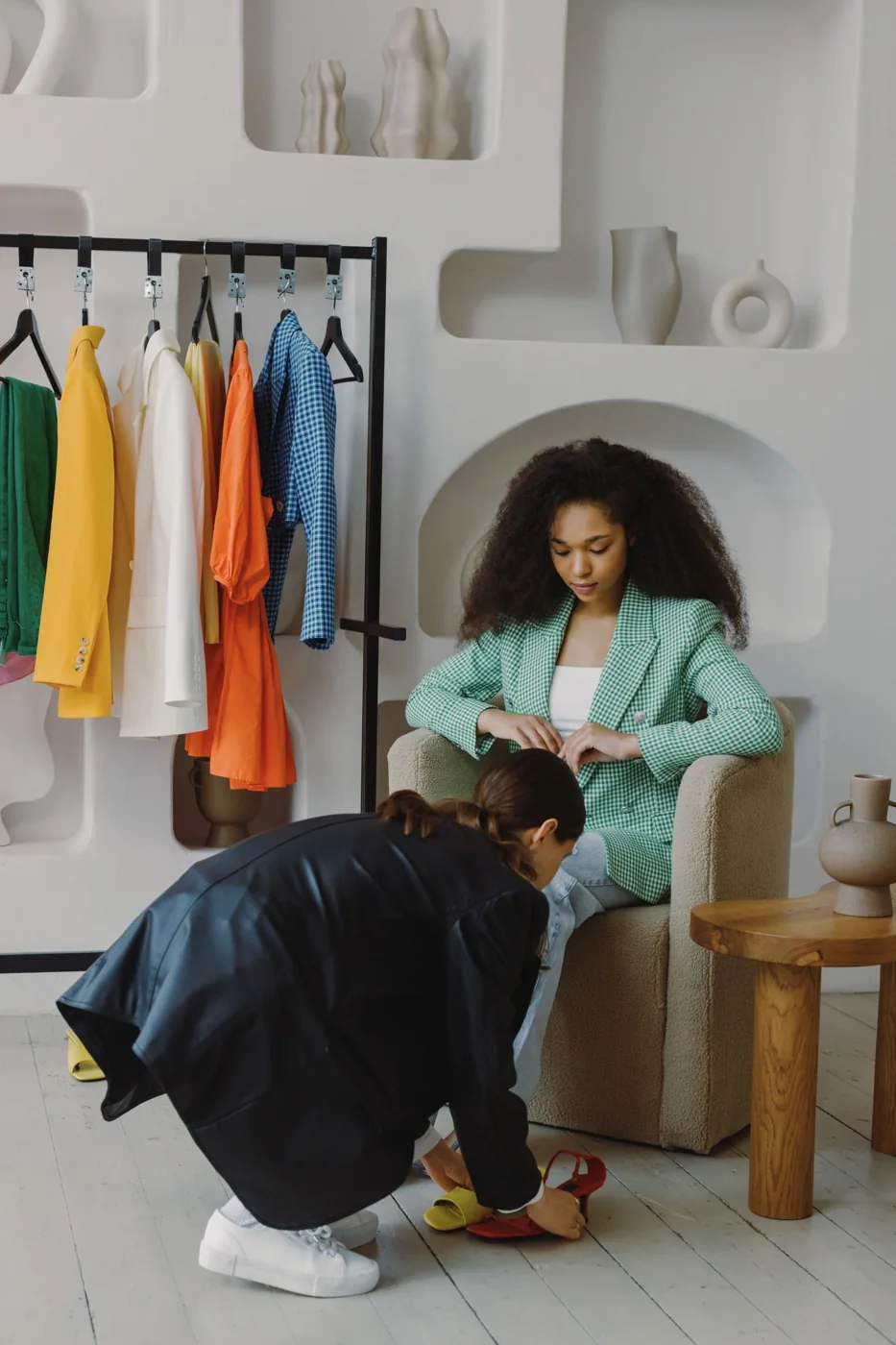
A single shoe on one foot gives incomplete information about a pair you intend to wear together. Try both shoes when the shop permits it, with the relevant socks or other normal layers. The complete fastening and an ordinary standing view matter as much as the first glance at the toe shape.
Bring the intended wearing context
Choose the socks or hosiery you genuinely plan to use with the shoes. A much thicker or thinner temporary layer can change the comparison. Keep the planned outfit in mind too, especially the trouser hem or skirt length that will sit beside the pair.
Check the exact style and size of both shoes before trying them. Similar display samples can be mixed or arranged close together. Ask the seller for the appropriate complete pair rather than assuming two similar-looking shoes belong together.
Use the fastenings as designed
Fasten laces, straps or other closures in their intended way without forcing the shoe. An unfastened display view does not show how the shoe will sit during normal use. If the closure is difficult to operate, identify the specific problem before treating appearance as the only decision.
Avoid assuming that a shoe will become comfortable later simply because you like its shape. Choose a pair that feels appropriate during a suitable ordinary try-on. For persistent discomfort or an individual foot concern, seek the relevant qualified advice rather than relying on an outfit guide to resolve it.
Compare the pair in a normal stance
Stand comfortably and look at both shoes with the complete outfit. Notice the visible fastening, the width of the toe outline and the relationship to the hem. A shoe photographed alone can play a very different visual role beside actual clothing.
Move only as permitted and appropriate in the fitting area. Check ordinary actions relevant to the intended use without performing an exaggerated test. The shop floor provides a limited comparison, so keep that limitation clear rather than treating a brief try-on as evidence of an entire day's performance.
Finish with a practical purchase check
Read the product information for materials and care, and check the seller's actual terms before buying if those terms affect the decision. Do not assume that another branch or website has the same arrangement. Keep the product details attached to any personal note about the pair.
If one shoe feels different from the other, pause and ask a clear question rather than ignoring it because the size label matches. A useful pair decision includes both feet, the real fastening and the intended clothing. It leaves room to decline the purchase when the complete result does not suit the ordinary day you had in mind.
Related reading
Three Outfit Formulas for Busy City Days, How to Choose an Everyday Bag Without Buying the Wrong Size.
Girl In Home creates practical guides to style, home and travel. Our new buying guides explain selection criteria and tradeoffs; they do not claim hands-on testing. Our approach.