Home & Living
Compare Reversible Bedding Patterns With the Room That Stays
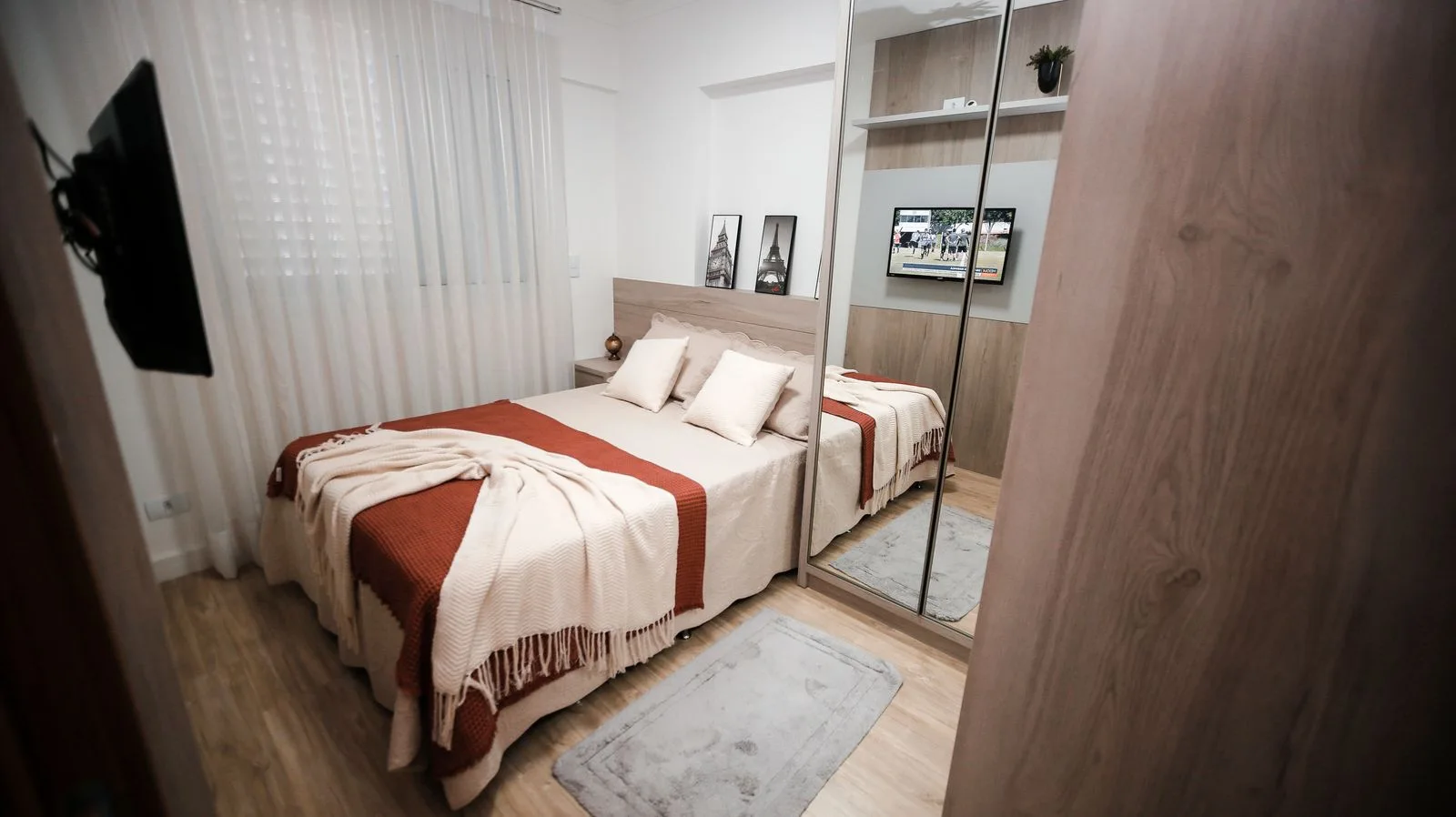
Compare both sides of reversible bedding in the same bedroom view, deciding which pattern scale works with retained walls, curtains and furniture before adding accents.
This story may contain affiliate links. We may earn a commission on qualifying purchases. Read our disclosure.
IN THIS STORY
Compare the two sides fairly
Reversible bedding offers two appearances, but they need the same comparison conditions. View each side with the pillows, curtains and bedside furniture you normally keep. A heavily styled photograph of one side and a hurried glimpse of the other will not explain which suits the room.
Start with the whole bed rather than a folded corner. Pattern scale changes when it covers a large surface. A small repeat can read as texture from the doorway, while a larger motif remains a distinct part of the room's composition.
Keep the room references steady
Look at the bedding beside the retained wall color and curtain fabric. If those surfaces already contain pattern, compare whether the bedding shares their scale or creates a useful difference. Two similarly sized busy prints can compete even when their colors relate.
Take a photograph from the usual entrance for each version. Keep the lighting and arrangement comparable. The image is a record of the relationship, not an exact color proof. Retain the fabric itself for any final comparison with a sample or potential accessory.
Decide what the turned-back edge does
Some reversible designs look appealing with a small amount of the reverse visible. Try the fold you would ordinarily maintain rather than an elaborate display that needs rebuilding every morning. Notice whether the contrast creates a clear edge or makes the bed look busier than you prefer.
If both sides have strong patterns, showing them together may add more visual activity than using either alone. Compare a full view of each side before assuming the contrasting fold is essential. The product's reversible feature is an option, not an obligation to display everything at once.
Choose the main view before accessories
Settle on the preferred side before buying decorative cushions or a throw. An accessory chosen against one pattern may seem unrelated when you reverse the bedding. If you regularly use both sides, look for a retained neutral or texture that works with each rather than building two new accessory groups.
Check the bedding's dimensions and care information separately from its appearance. A pattern that suits the room still needs to fit the intended bed and laundering routine. Do not infer identical construction or requirements from two products with similar reversible designs.
When the comparison is close, describe the difference in practical terms. One side might make the room calmer from the doorway; the other may bring a welcome larger shape to a plain wall and floor. Keep the side you enjoy for ordinary use and reserve the alternative as a real choice. There is no need to assign a permanent rule if both work, but the initial comparison should explain why they do.
Related reading
Prepare a Bedding Change as One Clear Household Task, View the Bedding From the Bedroom Door as Well as the Bed.
Girl In Home creates practical guides to style, home and travel. Our new buying guides explain selection criteria and tradeoffs; they do not claim hands-on testing. Our approach.


