Home & Living
Compare a Basket Liner With the Room’s Retained Textiles
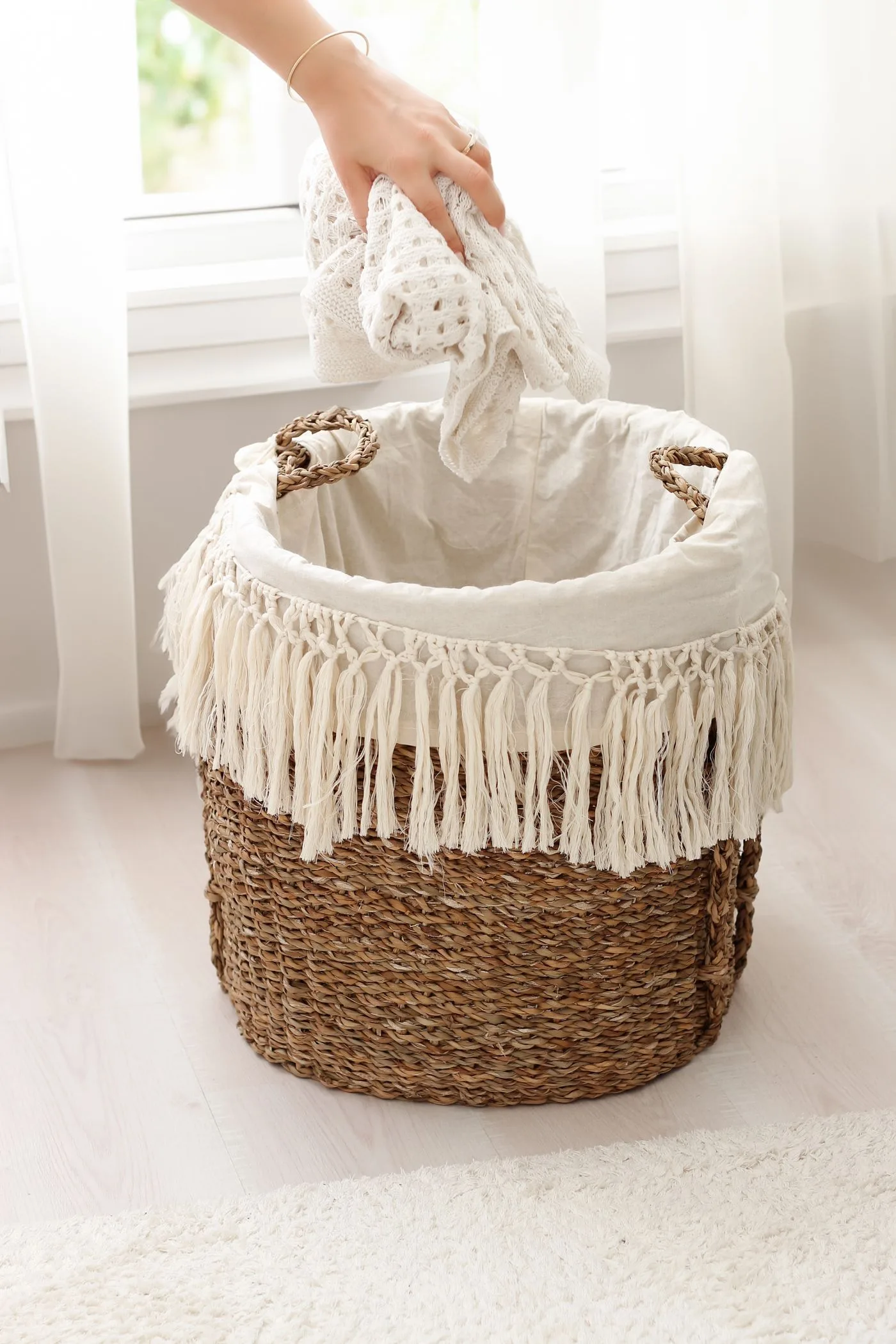
Compare a basket liner with retained room textiles, keeping the complete suitable storage group and genuine component requirements ahead of a decorative color match.
This story may contain affiliate links. We may earn a commission on qualifying purchases. Read our disclosure.
IN THIS STORY
Identify the complete basket first
A liner can change the visible edge of a basket, but its actual role should be clear before color becomes the decision. Begin with the real container, genuine associated fabric and suitable contents. A loose-looking edge in another photograph does not establish that every liner can be removed or arranged alike.
Use accurate product information for care and intended use. A matching appearance should not make unfamiliar components interchangeable or turn an attractive storage image into an assumed method.
Choose a retained textile reference
Look at the actual nearby curtain, upholstery or other prominent fabric that will stay. Name the specific surface rather than a broad label such as pale room. A small visible liner can create a different relationship from the same fabric shown flat as a large sample.
Keep the preference personal. A quiet blend may be useful, while another person may want a clearer edge. There is no requirement for every container and textile to repeat one exact tone.
Compare the whole stored group
Include the actual basket body, rim and genuine handles rather than judging only the fabric corner. The complete outline affects both the visual relationship and the real usable destination. Keep the contents role specific instead of filling a container merely because it looks coordinated.
If another suitable option is considered, preserve the exact product reference. A broad description such as lined basket may cover different constructions and requirements that are not interchangeable with the retained group.
Keep access and color distinct
Check complete dimensions and the actual opening through accurate information where a purchase is proposed. A better-matching fabric cannot resolve a shelf-access conflict. Likewise, a suitable practical fit does not decide which visible tone you prefer.
Where another adult shares the return, explain the real group and current stage. A neat liner edge should not imply that every care task has happened. Keep anything awaiting attention identified rather than hiding an unfinished question inside a ready display.
Preserve one useful arrangement
If the retained container serves its task and the textile relationship feels clear, keep that result without buying a matching set around it. Another product should answer a genuine unmet requirement rather than strengthen a decorative theme automatically.
What if the fabric looks different in a saved image? Revisit the actual local view in ordinary light. What if a liner's intended arrangement is unclear? Seek the relevant product clarification before treating the group as ready. A considered liner comparison connects actual components, retained textiles and real storage without making appearance a substitute for suitability.
Update any current reference after a component changes. A similar replacement should not inherit an earlier liner's identity or care requirements because it occupies the same position.
Related reading
A Small Cleaning Caddy Organized by the Jobs You Do, Choosing Everyday Linens You Will Happily Wash and Use.
Girl In Home creates practical guides to style, home and travel. Our new buying guides explain selection criteria and tradeoffs; they do not claim hands-on testing. Our approach.


