Home & Living
Compare a Hallway Mirror From the Ordinary Arrival View
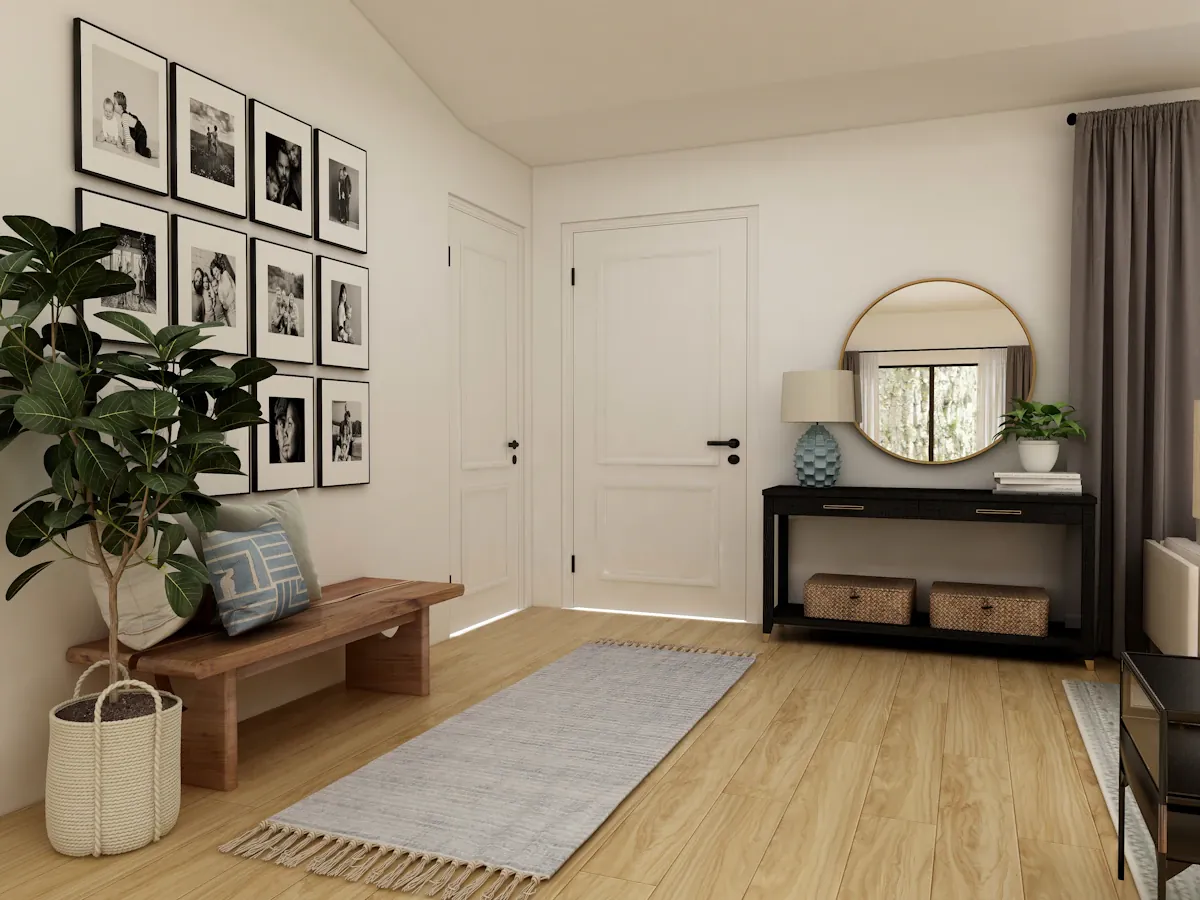
A hallway mirror can offer a useful arrival view, reflect retained room details or simply be an object the household enjoys.
This story may contain affiliate links. We may earn a commission on qualifying purchases. Read our disclosure.
IN THIS STORY
Choose the mirror’s real role
A hallway mirror can offer a useful arrival view, reflect retained room details or simply be an object the household enjoys. Name that role before choosing its position. A decorative mirror and a mirror used for a particular personal task may lead to different comparisons.
Keep the actual mirror's condition, display requirements and the wall or furniture arrangement central. This article considers the view rather than providing a universal installation method. Use suitable products, permissions and expertise for the specific object and setting.
Look from the ordinary approach
Check the proposed view from the route people actually use when arriving. Include the person and their preferences rather than assuming a height from a styled photograph. A view enjoyed by one household member may differ for another.
If a suitable planning reference is used, keep the mirror handled and supported within its requirements. Do not balance it on an unsuitable edge to test an angle. A private photo or another appropriate visual aid can help without becoming an improvised display.
Notice what is reflected
Look beyond the frame and identify the actual reflected objects. The mirror may bring a window, doorway or personal paperwork into view. Include the reflected view while the nearby door is used normally. Decide whether that relationship suits the household and protect information that should not become more visible.
Our entryway routine guide supports a real arrival arrangement. A mirror should connect with that ordinary use rather than require the household to clear a whole reflected corner whenever someone visits.
Include doors and nearby furniture
Check the complete mirror and display arrangement alongside intended door, drawer and cupboard movements. Keep necessary access clear. An attractive reflective view cannot establish that the object is appropriately positioned for the room's actual tasks.
Our rental display guide offers related permission and planning questions. Keep mirror-specific requirements with the actual product rather than assuming a method used for another framed object applies unchanged.
Choose from retained relationships
Compare the frame with the nearby furniture and objects already owned. Exact matching is optional where a deliberate difference is enjoyed. Avoid purchasing a complete console-and-accessory group solely to support a mirror that already has a suitable role.
If the first position does not serve the intended view, identify the specific issue before changing the whole entrance. The result can be a modest adjustment, another appropriate location or a decision to keep the mirror for a different room.
Hallway-mirror questions
Must the mirror be centered on a console? Choose an appropriate position from the actual role and requirements.
Does the frame show the whole effect? Include what the mirror reflects.
Can a decorative photograph establish installation suitability? Use the actual object, setting, permissions and appropriate expertise.
Girl In Home creates practical guides to style, home and travel. Our new buying guides explain selection criteria and tradeoffs; they do not claim hands-on testing. Our approach.


