Style
Compare a Garment Measurement With One Retained Fit Reference
Link a garment measurement to one suitable retained fit reference, keeping the measured point and product identity clear instead of treating a size label as the whole comparison.
This story may contain affiliate links. We may earn a commission on qualifying purchases. Read our disclosure.
IN THIS STORY
Choose the reference garment for a reason
A garment you already wear can help explain a shopping or fit question, but only when its role is clear. Choose a retained item that serves the actual outfit you are trying to build. A favorite pair of jeans and a special-occasion garment may answer different questions.
Keep personal preference separate from a universal fitting rule. The reference is useful because you know its place in your own routine, not because its measurements establish what every garment or body should be like.
Identify the measured point
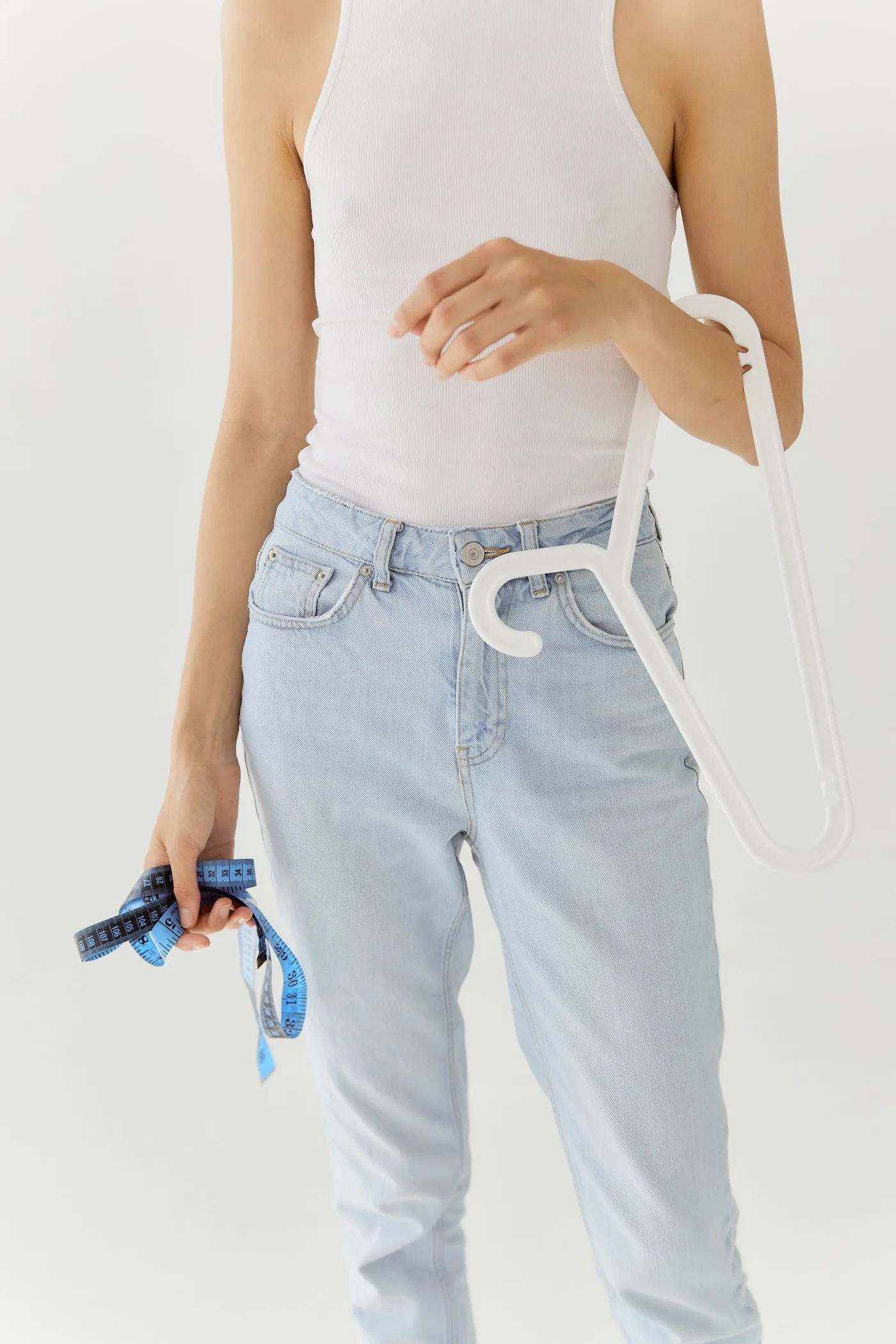
Use the actual retailer or maker's measurement method where a comparison depends on it. A waistband, rise or sleeve length can be measured in different ways, and figures are not interchangeable merely because the labels look similar. Keep the method beside the number.
Do not substitute the garment's size tag for the actual reference. A size label does not describe every dimension, construction detail or intended fit. Similarly, a garment measurement should not be presented as a body measurement unless that is genuinely the information being recorded.
Keep the product identity attached
Write which retained item the figure belongs to and why it was chosen. Similar colors or several pairs from one brand can make a private note confusing. An exact identity helps later when a candidate is compared with a different reference by accident.
Keep sensitive personal information appropriately private. A clothing shopping note does not need to expose more detail than the actual task requires. If another person helps, share only the reference needed and distinguish confirmed information from an unanswered question.
Include construction and the worn view
A matching number does not guarantee the same fit. Material, seams, intended shape and other dimensions can change how a garment behaves. Read accurate product information and use an appropriate real try-on where available rather than treating arithmetic as proof of comfort.
Include the retained top, shoes or layer relevant to the question. A hem relationship can look different in the complete outfit, while a measurement recorded from a different wearing arrangement may answer the wrong problem. Keep the actual use in view.
Close the note with an observation
Write what the comparison clarified: which point differs, what still needs checking and whether the candidate serves the intended role. Do not assume an alteration or a change after laundering will resolve uncertainty without suitable advice about the actual item.
The useful reference is a small package of information: identifiable garment, named point, clear method and real outfit purpose. It can make a shopping question more precise without pretending that one number guarantees a successful purchase. When the decision ends, keep the current reference and retire obsolete figures so the next comparison begins with information you still understand.
Related reading
Keep a Clear Reference for a Successful Tailored Outfit, A Small Wardrobe That Works for Real Weekdays.
Girl In Home creates practical guides to style, home and travel. Our new buying guides explain selection criteria and tradeoffs; they do not claim hands-on testing. Our approach.