Home & Living
Check a Food Container Label From the Refrigerator View
Check a food container’s identifying label from the refrigerator’s ordinary view, keeping the contents and storage information readable before stacking more boxes.
This story may contain affiliate links. We may earn a commission on qualifying purchases. Read our disclosure.
IN THIS STORY
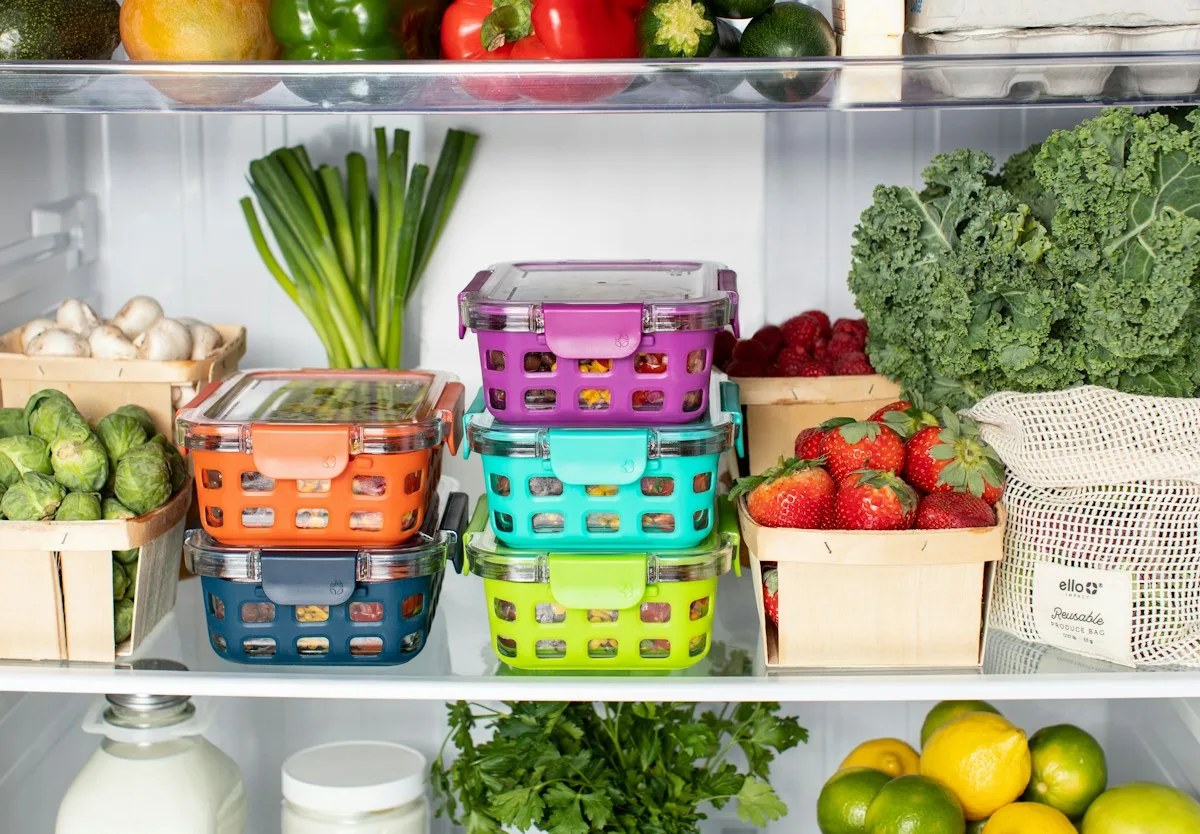
A food container label can be easy to read on the counter and hidden once the box enters the refrigerator. Another container covers its top, a shelf edge blocks the front or the writing faces the back. Check the label from the position where the food will actually be chosen.
Decide what must be identified
Keep the contents and the relevant storage information clear for the particular food. Follow reliable food-specific guidance rather than inventing a universal label that replaces proper handling or storage. A meal name alone may not tell another household member everything they need to know.
Retain original product information where it remains relevant. If food has been transferred from packaging, keep necessary ingredient and date details associated with it. Do not treat a short decorative label as a substitute for information needed to use the food appropriately.
Put the empty container in position
Before choosing a large new set, place a suitable empty container on the intended refrigerator shelf. Look from the ordinary standing view with the door open. Notice which surfaces are visible without moving other food.
Check the container's complete footprint, including its lid and any projecting clips. Keep the refrigerator arranged appropriately for its operation and food storage. A label that can be read only by pushing the box into an unsuitable position does not solve the practical problem.
Compare front and top information
A top label may work when the container stands alone on a low shelf. A front label may be easier when containers are stacked in a suitable way. Choose the arrangement around actual visibility instead of using the same label position automatically for every size.
Use a suitable labeling method for the container material and intended conditions. Keep important information legible, and do not obscure relevant product markings. If a removable label is used, follow an appropriate removal and cleaning method before the next use.
Keep the label current
When the contents change, remove outdated information and record the new appropriate details. An old meal name left beneath a new one can make the container appear to hold something different. Do not refill an unidentified remainder simply to preserve the arrangement.
Check the view again after the rest of the planned food is in place. If the label disappears, adjust the appropriate position or reduce unnecessary stacking rather than expecting everyone to remember the hidden contents. A readable label supports the household's food decisions only when it remains connected to the actual food and visible from the ordinary refrigerator view. It is one part of an appropriate storage routine, not a guarantee of the food's condition.
Related reading
A Pantry Shelf Map That Works With Original Packaging, Agree the Handover When Two Adults Share Food Shopping.
Girl In Home creates practical guides to style, home and travel. Our new buying guides explain selection criteria and tradeoffs; they do not claim hands-on testing. Our approach.