Home & Living
Decide Whether an Empty Room Corner Needs Anything
Decide whether an empty room corner needs anything by naming its actual household role, retained views and unresolved question before treating space as a shopping gap.
This story may contain affiliate links. We may earn a commission on qualifying purchases. Read our disclosure.
IN THIS STORY
Begin without a purchase category
An empty corner does not automatically need a chair, plant or storage basket. Look at the actual room and ask what real activity is missing an appropriate place. If no genuine task is waiting for that space, the gap can remain part of a useful layout rather than an unfinished project.
Keep the person's preferences central. Some rooms benefit from a quieter view, while another household may have a real need for a suitable object. Neither outcome requires a universal decorating rule.
Name the retained surrounding group
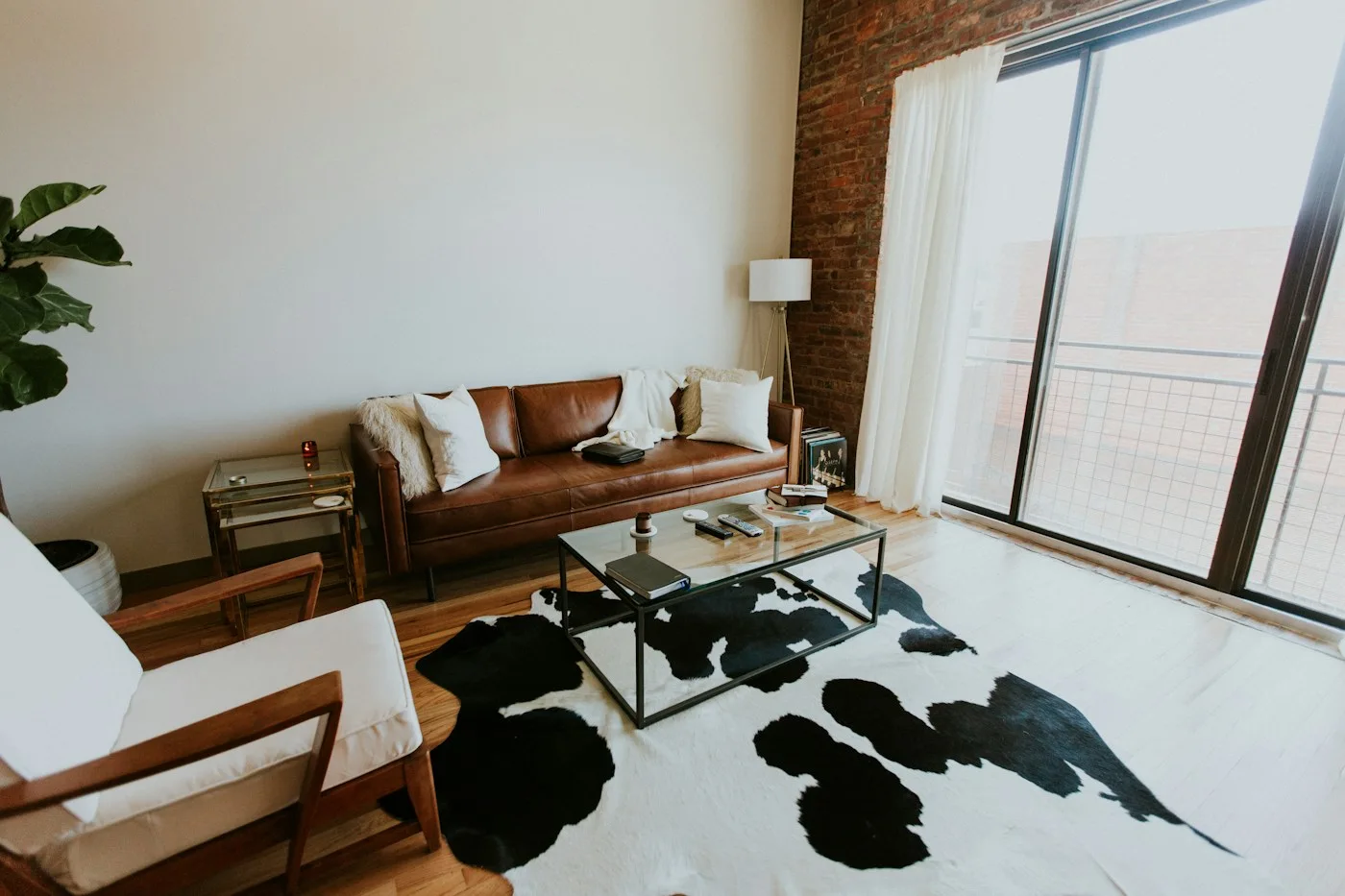
Look at the actual furniture, window and ordinary route around the corner. A close inspiration image can leave out the objects that give another room its real role. Write a modest description of what will stay before considering an addition.
Keep practical placement, furniture and product questions tied to accurate information, with appropriate assistance where needed. A gap that looks generous in a photograph does not establish suitability for an unfamiliar product or activity.
Separate a visual wish from a task
If the corner feels unresolved, say whether the issue concerns color, an unused surface or another actual feature. A wish for a warmer tone does not necessarily require a new piece of furniture. A genuine household task may need a specific product rather than decorative filler.
Try one appropriate retained alternative where it answers the question. A small local comparison can reveal whether the corner needs anything without turning the room into a complete new arrangement.
Include ordinary use rather than a frozen view
Consider the real occupied room, not only the symmetrical empty scene. An appropriate clear area may support an ordinary household transition or make existing furniture easier to use. Do not add an object merely because a still image looks sparse without it.
If a product is genuinely proposed, identify its complete suitable role and return requirements. A decorative preference should not conceal an unresolved capacity, care or placement question. Keep the actual user and task ahead of the appearance of a filled corner.
Choose a clear stopping point
Record the real outcome plainly: an appropriate addition is needed, a suitable retained object serves the role or the space stays clear. A decision not to buy can be a complete useful result. Remove obsolete candidate lists so an earlier possibility does not remain an assumed requirement.
What if the room's activity changes later? Revisit the corner through that actual need rather than defending the first decision forever. What if the only reason to shop is filling a gap? Keep the space clear until a genuine role appears. A considered empty-corner decision lets the home serve real life without making every visible opening another product category.
Preserve only the information still needed after the choice. A modest room decision should not become a permanent collection of unused shopping ideas.
Related reading
A Calm Living Room on a Realistic Budget, Keep a Useful Reference Before Changing a Room Layout.
Girl In Home creates practical guides to style, home and travel. Our new buying guides explain selection criteria and tradeoffs; they do not claim hands-on testing. Our approach.


