Style
Include the Destination When Choosing a Day Bag
An everyday bag can be comfortable on the journey while becoming inconvenient at the destination.
This story may contain affiliate links. We may earn a commission on qualifying purchases. Read our disclosure.
IN THIS STORY
Include where the bag goes after arrival
An everyday bag can be comfortable on the journey while becoming inconvenient at the destination. Include the ordinary arrival arrangement before choosing its size or shape. A seated café visit, a shared work surface and another activity can create different practical questions.
Keep the bag's actual requirements and your own belongings central. This comparison does not promise security from a particular position. Use appropriate arrangements for the real setting and keep necessary personal items under suitable responsible handling.
Choose the actual contents first
Identify what the day genuinely requires and how those items need to be carried. A smaller bag is not useful if it depends on leaving necessary belongings loose or asking another person to hold them without agreement. Keep personal requirements distinct from optional duplicates.
Our everyday bag guide supports this contents-first decision. Check the complete opening and internal shape rather than relying on the exterior width alone. The actual items need to be retrieved as well as stored.
Compare suitable arrival options
Think through where the bag can wait appropriately during the activity. Follow the setting's actual arrangements and the bag's material and care guidance. Do not assume a chair back, floor or table is suitable simply because the bag rests there in a styled photograph.
Keep access and other people's space clear. A wide bag can occupy a different footprint once its handles and contents are included. The destination choice should not make the shared activity more difficult for everyone else.
Include the carrying method
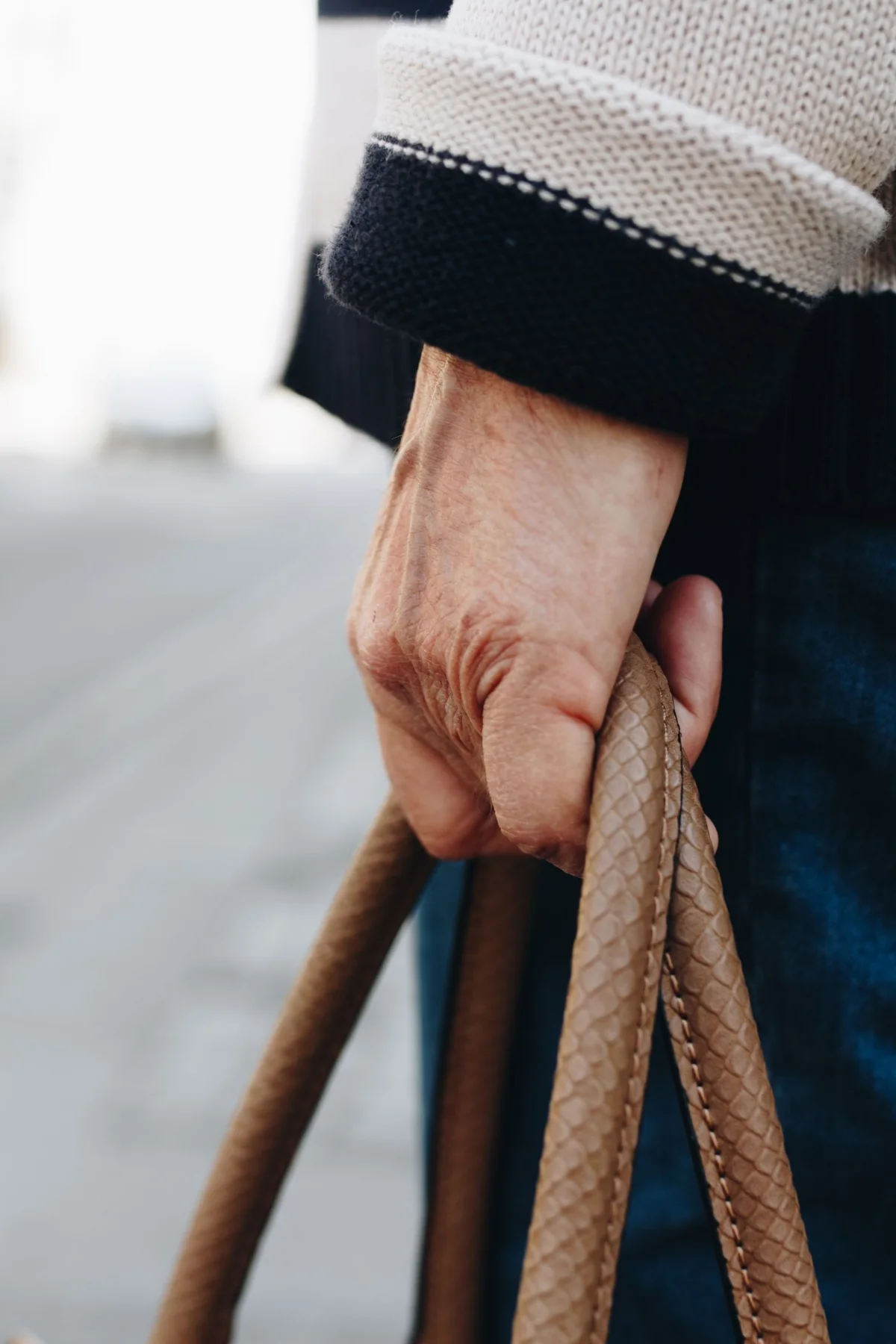
Use the actual strap or handles as intended with the clothes worn for the day. Notice whether the bag can move between carrying and its suitable waiting position conveniently. Do not force hardware or use a decorative feature as a handle without established permission.
Our personal-item tote guide considers another contents-and-carrying relationship. Keep this comparison tied to an ordinary destination rather than assuming every bag needs to serve travel as well.
Keep the whole sequence useful
At the end of the activity, check that personal belongings and any temporary additions return to their appropriate places. A bag selected for one clear day may have a different role from another already owned. There is no requirement for one accessory to cover every setting.
If shopping remains justified, describe the specific unresolved issue: opening shape, complete footprint or carrying arrangement. Concrete requirements can guide a useful comparison better than a broad search for a stylish small day bag.
Destination-bag questions
Does carrying comfort settle the whole choice? Include the actual arrival and activity arrangement.
Can any nearby surface hold the bag? Check the setting and product requirements.
What if a smaller bag cannot hold essentials? Choose suitable capacity rather than transferring an unagreed burden to someone else.
Girl In Home creates practical guides to style, home and travel. Our new buying guides explain selection criteria and tradeoffs; they do not claim hands-on testing. Our approach.