Style
Compare One Blazer With Two Retained Lower Halves
Compare one blazer with two retained lower halves, keeping the top and fastening steady so a useful outfit choice comes from clear changes rather than a complete wardrobe reset.

This story may contain affiliate links. We may earn a commission on qualifying purchases. Read our disclosure.
IN THIS STORY
Choose two real outfit roles
A blazer can serve more than one combination without needing a separate accessory collection for each. Begin with two retained lower garments you actually wear, such as trousers for one setting and another suitable piece for a different ordinary plan. Keep the occasions real rather than inventing outfits only to justify a purchase.
Use the blazer's actual fit, construction and intended use as the starting point. A product photograph does not establish comfort, suitability or the effect of a particular closure on your body. The complete retained outfit provides the useful comparison.
Keep the first variables steady
Use the same suitable top for both versions and begin with the blazer's intended ordinary arrangement. Keep the shoes unchanged where that remains appropriate. This makes the lower garment's contribution easier to see than switching every piece simultaneously.
Look at the hem, waistband and visible jacket opening together. A longer upper outline can create a different relationship beside a wide lower shape than it does with a narrower one. Describe the actual difference instead of applying a fixed proportion rule to every outfit.
Include the seated view
Sit and stand as appropriate to the setting and garments, then look again after the fabric settles. A blazer can appear balanced in a posed mirror image while requiring repeated adjustment in ordinary use. Choose the version you enjoy in its wearable state.
Use fastenings as designed and within a comfortable suitable fit. Do not force the jacket closed or hold it in a temporary shape to imitate another cut. If the arrangement raises a specific fit question, keep that question clear before buying or altering anything.
Change one secondary piece only if needed
If one lower garment almost works, identify the actual issue before replacing it. A quieter retained top, a different suitable shoe or a simpler accessory may clarify the group. Make one change at a time so the improvement has an understandable cause.
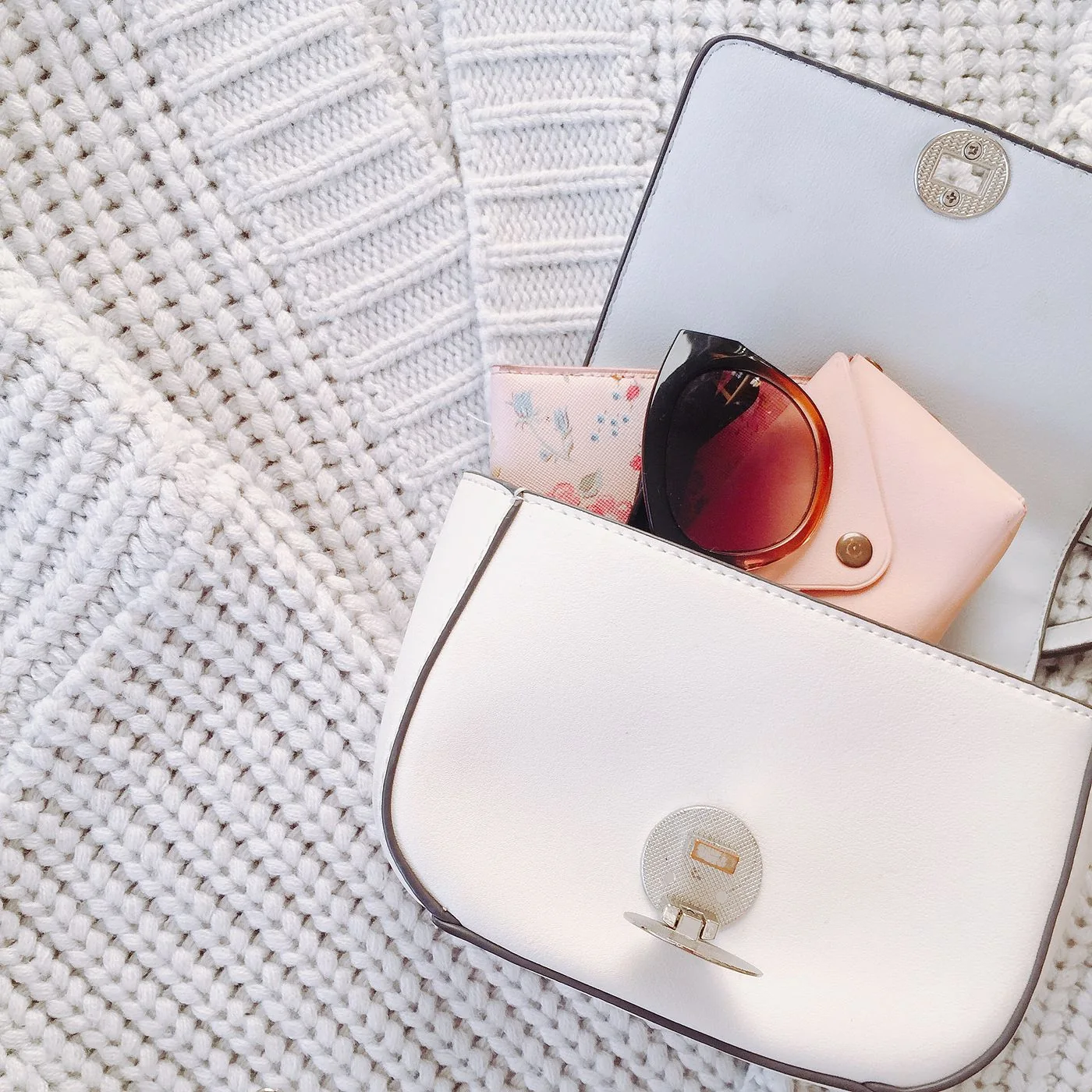
Keep necessary belongings and equipment in the day's plan. A small decorative bag is not automatically suitable for every outfit role. Appearance should support the actual routine rather than remove a practical requirement simply because the image looks cleaner.
Save the combinations that earn their place
Record the blazer and exact lower garment in each useful version. If one combination remains uncertain, name the unresolved point rather than treating the whole blazer as a failed purchase. Another retained pair may serve its second role more clearly.
The result can be one or two repeatable outfits, with no rule that every jacket must work everywhere. A controlled comparison shows what the retained clothes actually contribute. It lets a useful blazer remain part of ordinary dressing without turning one attractive garment into a reason to rebuild the wardrobe around it.
Related reading
A Small Wardrobe That Works for Real Weekdays, Three Outfit Formulas for Busy City Days.
Girl In Home creates practical guides to style, home and travel. Our new buying guides explain selection criteria and tradeoffs; they do not claim hands-on testing. Our approach.