Home & Living
Keep the Bedroom Screen in the Complete Room Outline
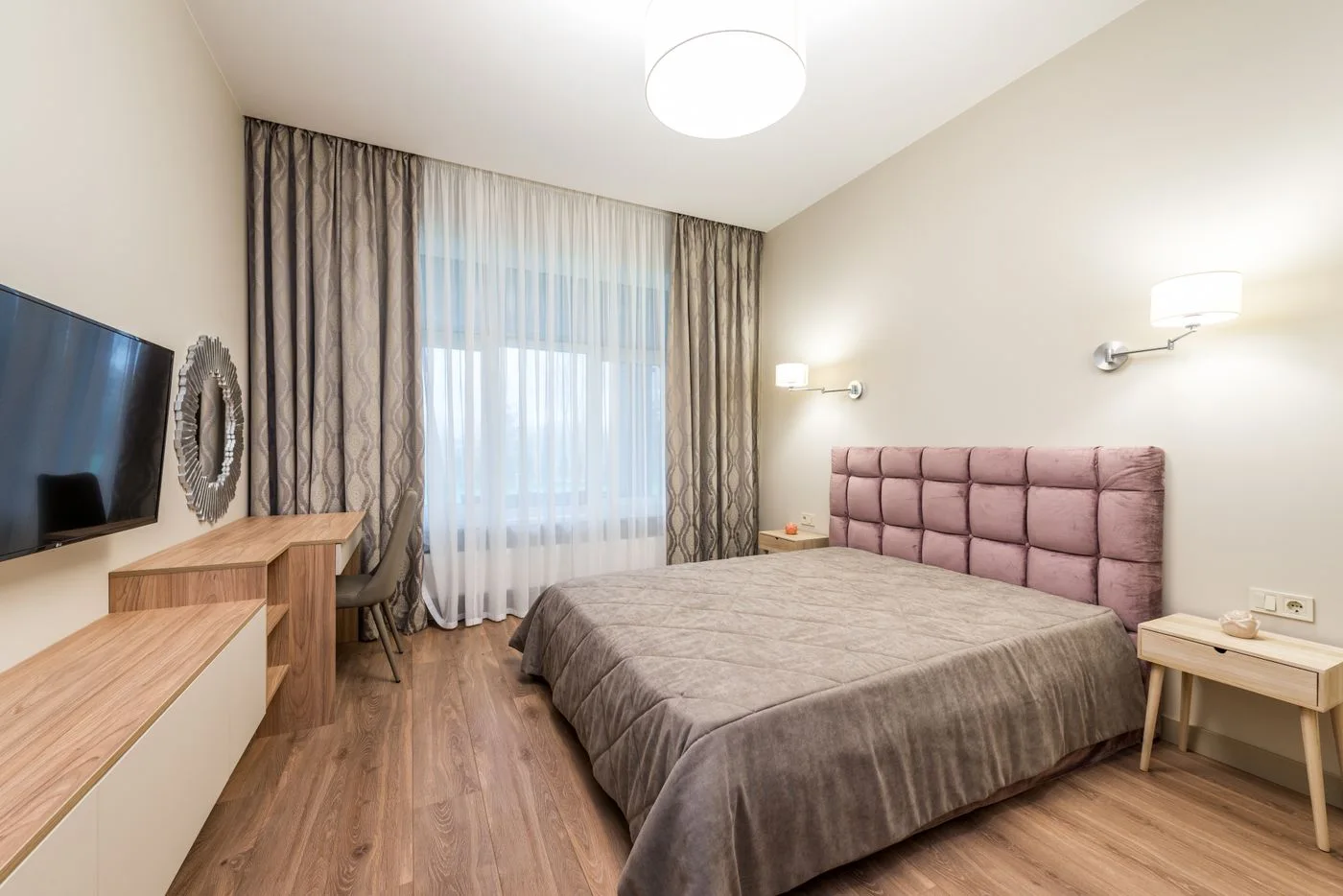
Assess a bedroom screen from the ordinary doorway and bed, using its outline, reflections and surrounding furniture to decide whether the arrangement feels settled.
This story may contain affiliate links. We may earn a commission on qualifying purchases. Read our disclosure.
IN THIS STORY
Include the whole bedroom
A screen is often compared by looking directly at its picture. Its place in a bedroom also depends on the dark rectangle visible when it is switched off. Stand in the doorway during daylight and look at the complete wall. Notice whether the screen aligns with a chest, interrupts a picture group or seems to float between unrelated objects.
Take a second view from the usual position on the bed. The two views answer different questions: the doorway shows the room's overall composition, while the bed reveals the relationship you experience for longer periods. Avoid solving one by making the other awkward.
Separate the screen from its surroundings
First remove temporary clutter from the supporting surface. Remotes, unopened packaging and loose papers can make the arrangement look unfinished even when the screen itself is reasonably placed. Keep the equipment and cables needed for its ordinary use, and follow the supplied installation and ventilation requirements.
Then identify the dominant outlines. A broad low chest makes a different base from a narrow tall unit. A screen extending beyond the furniture below may create an uneasy visual balance. Record dimensions before considering replacements; an attractive photograph cannot tell you how a unit fits your particular wall.
Compare the switched-off view
Look for reflections from the window, a bright bedside lamp or a mirrored wardrobe. A dark screen can make those reflections more noticeable than the surrounding paint. Check the room at the times you normally use it, rather than judging from one flattering afternoon photograph.
If reflections dominate, consider the existing window treatment and lamp position within their normal operation. Do not cover equipment, obstruct ventilation or improvise a mounting solution to hide an unwanted reflection. The visual problem may be solved by a modest furniture adjustment, but electrical and mounting work belongs within the equipment's stated requirements.
Avoid decorating every edge
Adding objects around the screen can make the whole wall busier. Try leaving one clear side before buying a pair of matching ornaments. A nearby artwork should have enough separation to remain readable instead of becoming a border around the display.
If the room feels unbalanced, compare one change at a time. Remove an unnecessary object, shift a small decorative item or reconsider the adjacent picture group. Photograph each version from the same doorway position. This makes changes easier to judge than relying on memory while moving several things at once.
Keep the arrangement that supports both the bedroom's ordinary use and a coherent view. A screen need not disappear completely to feel settled. The useful result is a wall where the furniture, equipment and remaining objects have clear relationships and the necessary controls remain easy to reach.
Related reading
View the Bedding From the Bedroom Door as Well as the Bed, Edit a Bedside Table Around What You Reach for at Night.
Girl In Home creates practical guides to style, home and travel. Our new buying guides explain selection criteria and tradeoffs; they do not claim hands-on testing. Our approach.


